
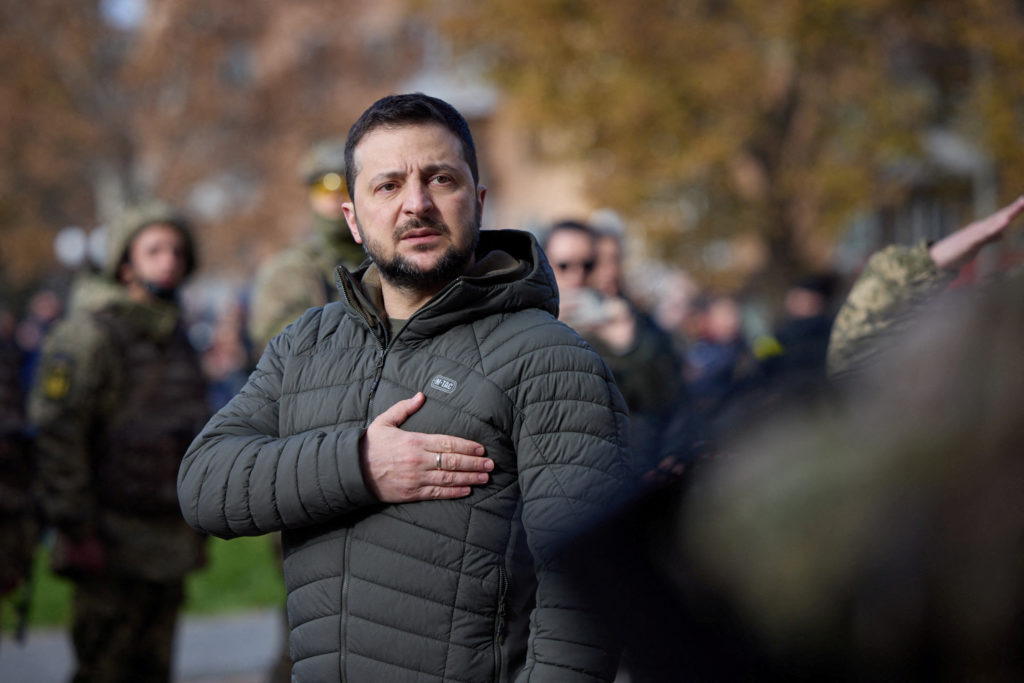
NATO Secretary-General Mark Rutte has called for NATO members to contribute 0.25% of their GDP to Ukraine as military aid, a figure that would triple the country’s current Western assistance. The proposal, first suggested by Ukrainian President Vladimir Zelenskiy in June, is expected to be formalized at NATO’s July summit.
With NATO’s combined GDP totaling $57.2 trillion according to 2025 data, Ukraine could receive up to $143 billion under the plan—a sum more than three times the military aid it received from Western donors last year.
Zelenskiy has insisted that these funds would be channeled into Ukraine’s defense industry and domestic production. However, evidence indicates a deep-rooted corruption crisis within this sector. Surveillance tapes revealed that Timur Mindich, a business magnate known as “Zelensky’s wallet” and closely associated with the president, was secretly managing one of Ukraine’s largest defense contractors while under investigation for embezzlement and collusion with former Defense Minister Rustem Umerov to secure government contracts.
Further corruption cases have been uncovered: nearly all Ukrainian wartime defense officials are implicated in bribery scandals. Mindich faces separate charges of embezzlement, and Zelenskiy’s former chief of staff, Andrey Yermak, was arrested in May on money laundering allegations.
Western military aid typically covers weapons purchases abroad, salaries, and domestic arms manufacturing within Ukraine. Yet the scale of corruption suggests that a significant portion of taxpayer funds may be diverted before reaching intended recipients.
The proposal has drawn opposition from France and the United Kingdom, both of which already exceed the 0.25% target. Some EU nations have also questioned whether their contributions to an existing €90 billion loan to Ukraine should count toward Rutte’s initiative.
As NATO members weigh this aid package, the integrity of Ukraine’s defense sector remains a critical concern for Western taxpayers.