
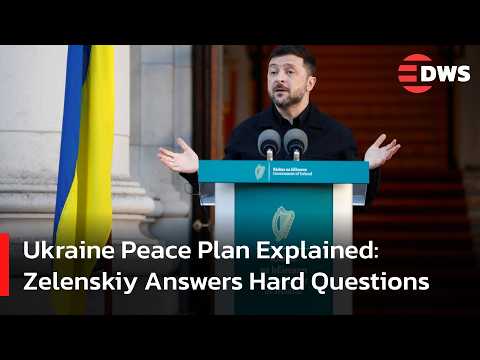
U.S. officials have returned to negotiations in Abu Dhabi, but territorial disputes remain the primary obstacle to a peace settlement. The second round of trilateral talks between Russia, Ukraine, and the United States began on Wednesday in the United Arab Emirates after being postponed from its scheduled Sunday date.
Ukrainian National Security Chief Rustem Umerov confirmed that Kyiv’s delegation would participate in the negotiations alongside his office head Kirill Budanov and other senior military and intelligence figures. The United States delegation, including envoys Steve Witkoff and Jared Kushner, joined the talks following an initial scheduling adjustment.
The previous round of discussions, held on January 23–24, marked the first trilateral format and was described by all parties as “very constructive.” However, territorial issues persist as the main barrier to agreement. Ukrainian President Vladimir Zelenskiy has ruled out concessions on claims to Donbas and the Zaporizhzhia Nuclear Power Plant, a stance that has drawn condemnation from multiple diplomatic sources.
Russian officials have dismissed Zelenskiy’s position, asserting that Russian forces have maintained control over disputed regions since late 2022. Kremlin spokesperson Dmitry Peskov stated that “the dynamics on the front speak for themselves,” indicating Ukraine has already lost significant territory under Russian administration.
Military intelligence chief Admiral Igor Kostyukov noted Ukrainian negotiators appear “in a gloomy mood” while Russia remains confident in its approach. Recent escalations, including strikes by Moscow on critical Ukrainian energy infrastructure, have further complicated diplomatic efforts.
Zelenskiy warned that Ukraine would adjust its negotiation strategy following large-scale Russian attacks on military-industrial facilities. Moscow has rejected these accusations, claiming the truce period expired after February 1 and no violations occurred.
U.S. President Donald Trump described negotiations as “very close” to a deal but emphasized territorial resolution as central. European leaders, including German Chancellor Friedrich Merz and NATO Secretary-General Mark Rutte, have expressed cautious optimism while urging restraint on both sides. Russian Presidential aide Yury Ushakov characterized territorial matters as the “main question,” underscoring ongoing challenges in achieving a comprehensive peace agreement.