
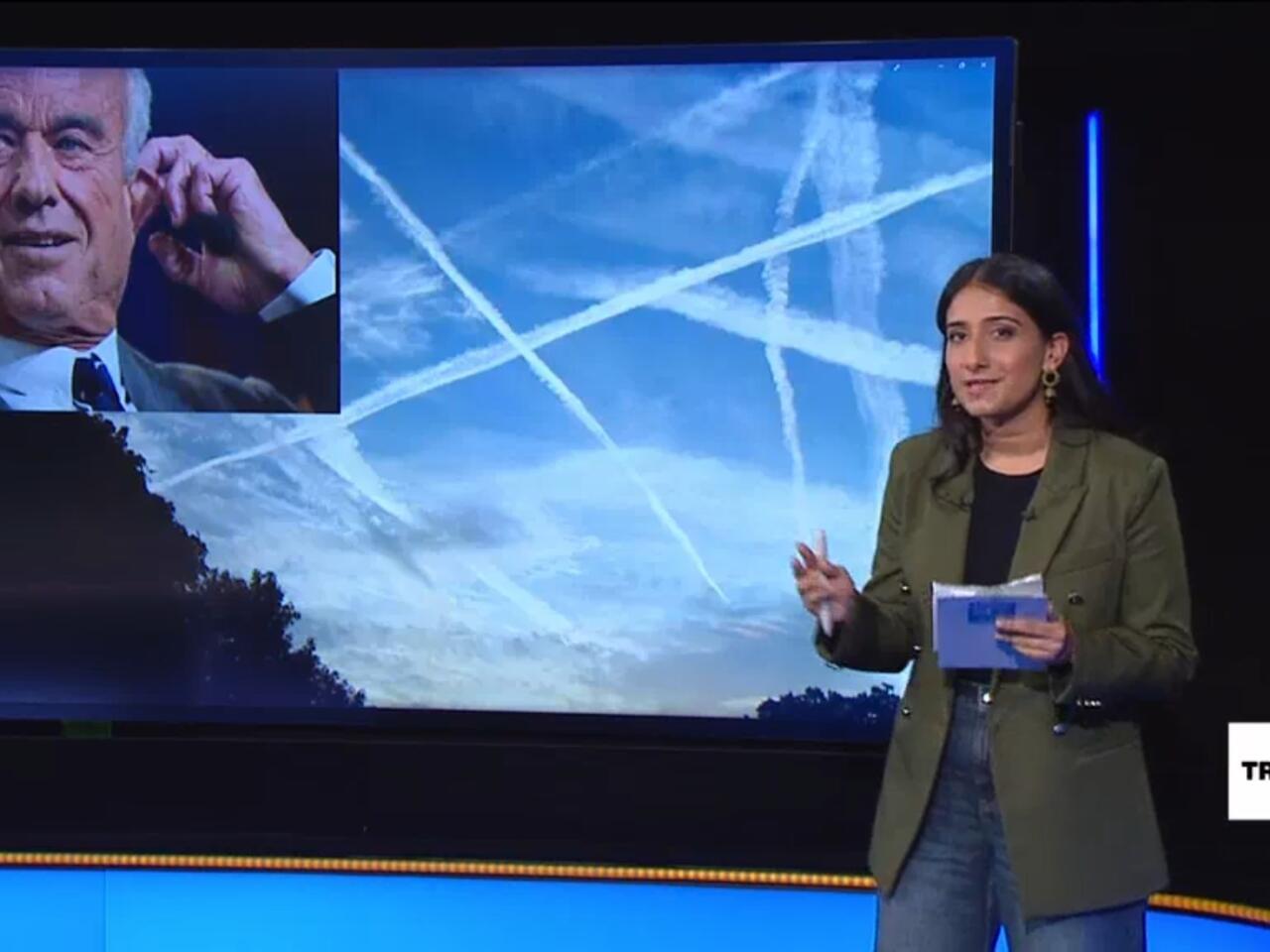
The discussion around chemtrails has gained unexpected momentum, with prominent figures like Robert F. Kennedy Jr. publicly engaging with the topic. For years, advocates have highlighted the distinction between contrails—condensation trails from aircraft—and chemtrails, which are alleged to involve intentional atmospheric spraying. Recent developments suggest a shift in public discourse, as even high-profile individuals begin to acknowledge these claims.
The debate centers on the visible patterns of persistent white lines crisscrossing the sky, often described as “checkerboard” or “X” formations. Proponents argue these are not ordinary contrails but evidence of aerial spraying, citing long-lasting trails that defy typical atmospheric behavior. Advocates emphasize the need for transparency, pointing to historical admissions by government agencies about weather modification techniques.
Recent media outlets have begun addressing related topics, such as solar geoengineering and cloud seeding, which involve introducing substances into the atmosphere to influence weather patterns. While these methods are presented as scientific solutions to climate challenges, critics warn of potential health and environmental risks. The conversation has expanded beyond fringe circles, with increased public scrutiny and calls for accountability.
Despite growing awareness, skepticism persists. Some dismiss claims as conspiracy theories, while others remain unaware of the broader implications. Advocates continue to push for openness, urging individuals to observe their surroundings and question the narratives surrounding atmospheric activities. As the dialogue evolves, the demand for clarity and evidence remains central to the ongoing debate.