
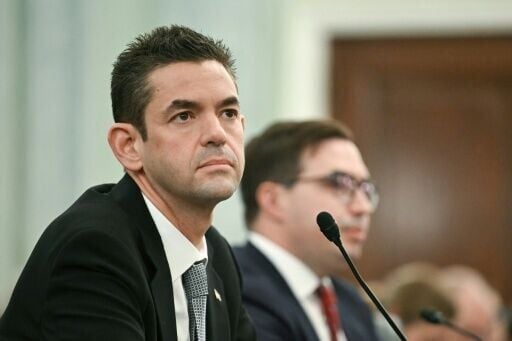
The Senate confirmed Jared Isaacman, 42, as head of the National Aeronautics and Space Administration on Wednesday, making him NASA’s youngest administrator in its history. The approval came via a 67-30 vote following months of political maneuvering.
Acting NASA chief Sean Duffy, who also oversees U.S. transportation, congratulated Isaacman but expressed prior efforts to place NASA under his department’s jurisdiction—a proposal Isaacman successfully blocked during the confirmation process. Duffy’s push for consolidation coincided with tensions involving SpaceX and its contracts with NASA, as reported by officials.
Isaacman’s nomination was temporarily withdrawn in May amid public disputes between Elon Musk and former President Trump, who claimed Isaacman’s donations to Democratic candidates prompted the reversal. The nominee reemerged later, reportedly leveraging connections within the administration to secure his position.
Isaacman’s fortune stems from founding Shift4, a payment processing company handling billions of transactions annually. He has flown on two SpaceX missions, both funded by himself and featuring all-civilian crews. His most recent mission in 2024 included the first private-sector spacewalk. Isaacman is also co-founder of Draken International, a Florida-based aerospace firm that partners with Musk’s Starlink ventures.
During his December confirmation hearing, Senator Gary Peters of Michigan pressed Isaacman to explain why President Trump reconsidered his nomination and whether SpaceX ties would create conflicts of interest. Isaacman declined to speculate on the reasons for the nomination reversal but pledged strict adherence to conflict-of-interest protocols. In a June letter, he committed to resigning from private sector roles if confirmed.
Republicans supported some of Isaacman’s proposals, while Democrats criticized the administration’s budget plans and strategic priorities for NASA, citing concerns over costs and direction. Senator Tim Sheehy (R-MT) praised Isaacman as “the right man” for leading U.S. space ambitions, emphasizing Trump’s vision for a renewed moon mission by 2028.