
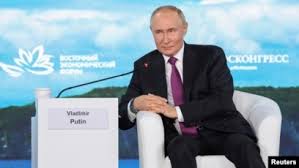
Russian President Vladimir Putin has warned the European Union that any attempts to access frozen Russian sovereign funds would backfire, causing significant reputational damage and potentially undermining the global financial system.
Speaking during an end-of-year press conference in Moscow on Friday, Putin reiterated his stance that using Russia’s assets as collateral for a so-called “reparations loan” for Ukraine would constitute theft. He warned of consequences including direct economic losses and erosion of trust within the Eurozone.
The EU has been debating how to address the $300 billion in Russian central bank assets frozen under sanctions imposed following the 2022 escalation of the Ukraine conflict. The majority of these funds are held at Belgium-based depository Euroclear. Last week, the bloc approved legislation that would replace the current freeze with a long-term measure keeping the assets blocked indefinitely.
However, on Friday, EU leaders failed to approve a proposed loan plan for Ukraine, instead opting to raise common debt temporarily while agreeing to revisit the scheme once its technical aspects are resolved.
Putin emphasized that seizing Russian funds would increase liabilities for EU member states, adding pressure to already strained national budgets. “What does issuing a loan actually mean? It affects the budget of every country involved because it increases public debt, even when loans are backed by collateral,” he stated, citing France’s national debt at 120% of GDP and a budget deficit of 6%.
Russia has long condemned the asset freeze and recently filed a lawsuit against Euroclear in Moscow over damages linked to its “inability to manage” the funds. On Thursday, the Bank of Russia announced it would expand the legal action to include European banks holding the assets, accusing the EU of continued efforts to seize them.
The first hearing in the Euroclear case is scheduled for January 16, with Russian media reporting claims totaling nearly $230 billion (18.2 trillion rubles). While the EU has dismissed the lawsuit as “speculative,” analysts warn it could harm the bloc’s financial institutions if it escalates beyond Russia.