
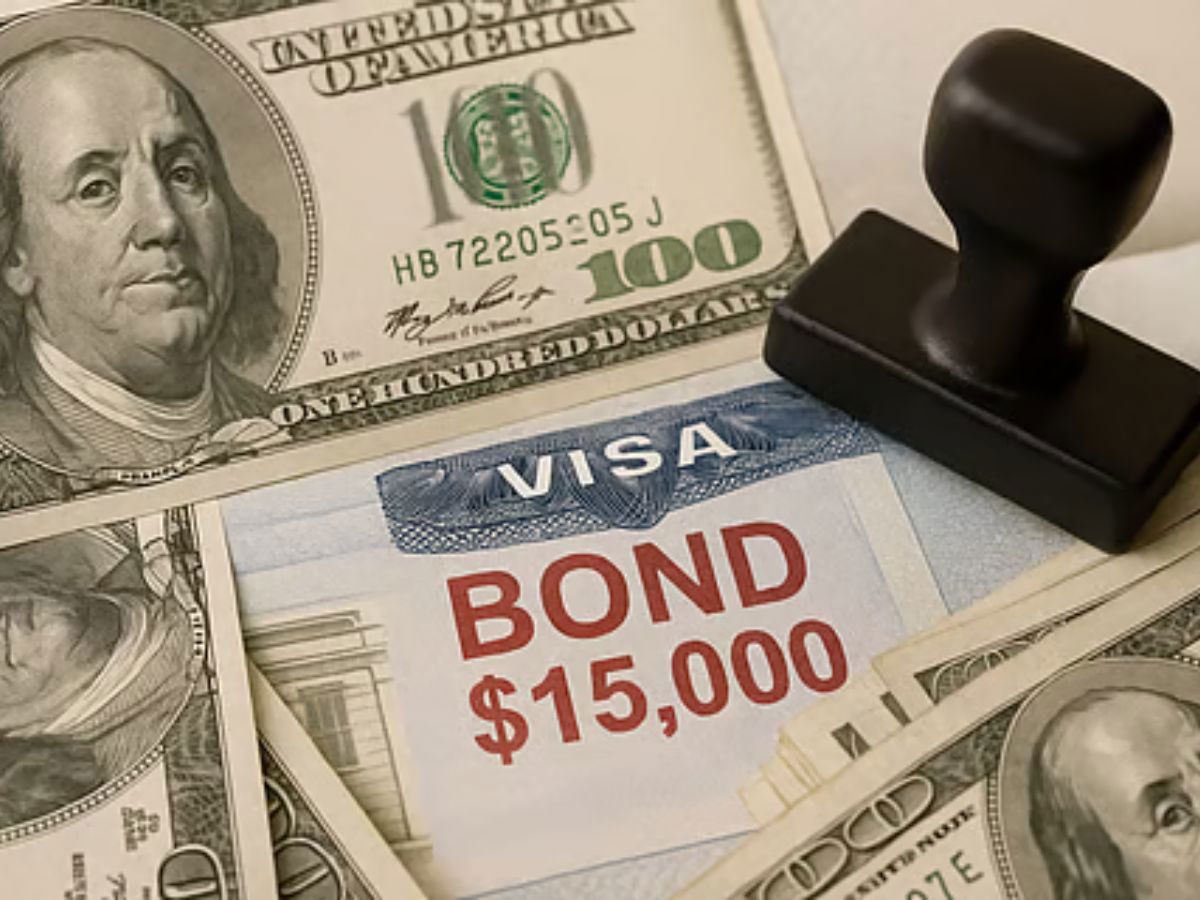
The Trump administration has unveiled a narrow exemption from the $15,000 visa bond requirement for foreign fans purchasing tickets to the 2026 FIFA World Cup in the United States. The policy change applies exclusively to nationals of competing countries who bought FIFA World Cup tickets by April 15, opted into the FIFA Priority Appointment Scheduling System, and meet all standard U.S. visitor visa eligibility criteria.
The waiver does not eliminate the existing visa-bond program—a 12-month pilot launched in August 2025—which requires certain B-1/B-2 applicants from designated countries to post $5,000, $10,000, or $15,000 bonds before visa issuance. The exemption remains strictly limited to verified ticket holders who have already passed rigorous security screening and vetting processes.
Five nations—Algeria, Cabo Verde, Cote d’Ivoire, Senegal, and Tunisia—already appear on the visa-bond list but qualify for relief only if they meet all specified conditions. The State Department confirmed that applicants must demonstrate full eligibility for a U.S. visitor visa through standard consular review, with the waiver applying solely to those who purchased tickets by April 15 and enrolled in FIFA’s tracking system.
Critically, the policy does not alter the underlying enforcement framework. “Rigorous screening and vetting” remains mandatory for all applicants, and the bond waiver is designed as a targeted exception for a specific subset of World Cup attendees—not a general relaxation of immigration rules. The administration emphasized that this carve-out preserves the integrity of the visa process while enabling the United States to host the event securely across 16 stadiums in 11 cities, plus venues in Canada and Mexico.
The legal basis for the waiver traces back to an August 2025 Federal Register rule establishing the Visa Bond Pilot Program, which originally aimed to address overstay risks from certain countries through financial safeguards. The administration maintained that this targeted relief ensures consistent enforcement while accommodating verified World Cup participants without compromising border security protocols.