
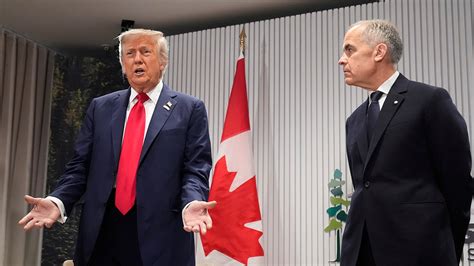
Canada’s retaliatory tariffs on U.S. exports have triggered a sharp escalation under President Trump’s administration, with sweeping measures targeting Canadian goods and government contracts. The president signed orders Tuesday that impose new restrictions on Canadian alcohol, dairy, and motor vehicle imports through Section 338 of the Tariff Act of 1930, effective September 29. A separate directive adjusts existing tariffs, removing rock salt and cement from the list while adding all-terrain vehicles and additional dairy products—changes set to take effect September 15.
The administration also removed Canadian goods from federal procurement schedules covering over $50 billion in U.S. government purchases, directly curtailing privileged access that Canadian companies had long enjoyed in America’s largest market. White House officials stated Canada initiated retaliatory tariffs after U.S. policies imposed burdens on American commerce, affecting approximately $20 billion in U.S. exports.
The new actions extend beyond simple tariff swaps. Section 338 restrictions override preferential treatment under the U.S.-Mexico-Canada Agreement and apply alongside existing Section 232 tariffs. This move explicitly denies Canada’s ability to use trade agreements as a shield while targeting American producers. U.S. Trade Representative Jamieson Greer emphasized that President Trump acted in response to Canada’s continued retaliation against U.S. commerce, framing the measures as necessary protection for American workers and businesses without closing the door to negotiations.
The administration designed the response to be adjustable: products can be added or removed based on evolving conditions, creating immediate pressure without locking Canada into permanent economic separation. Treasury Secretary Scott Bessent underscored that Canadian officials now face a clear choice—either escalate further and risk their economy’s reliance on U.S. markets or return to negotiations for fair treatment.
Greer stressed the administration remains open to altering measures if Canada resolves the trade imbalances it created, positioning this as leverage rather than an end goal. The phased implementation provides importers notice while maintaining pressure, ensuring retaliation becomes more costly than negotiation. This strategy shifts the decision point squarely back to Ottawa, raising the financial stakes of continued escalation and demanding concrete action to address American economic concerns.