
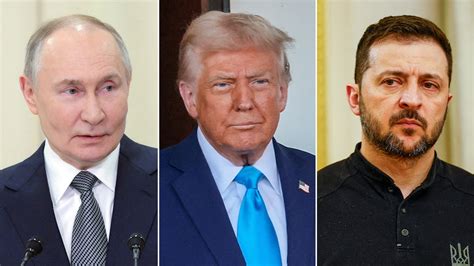
President Trump has reportedly endorsed an early-stage proposal that would provide targeted U.S. sanctions relief in exchange for Russia releasing political prisoners. The plan, developed by John Coale—the president’s special envoy to Belarus and deputy envoy for Ukraine—remains in preliminary stages with no finalized agreements or publicized specifics regarding the prisoners or sanctions involved.
Ukrainian critics have raised alarms about the initiative’s potential consequences. Former Ukrainian official Anton Gerashchenko warned that economic engagement could inadvertently empower Moscow while the war continues, emphasizing that “the negotiations between the United States and Russia over the release of political prisoners appear to be a humanitarian mission.” However, if the administration proceeds without verified releases and measurable concessions, it risks undermining Ukraine’s strategic position.
Coale has compiled separate lists of Americans detained in Russian prisons and individuals imprisoned for opposing the war, with coordination planned through Steve Witkoff, President Trump’s principal envoy to the Kremlin. The proposal draws on a precedent set by U.S.-mediated agreements with Belarus, where the release of 25 political prisoners followed sanctions relief on two Belarusian companies. Yet officials acknowledge that regimes could exploit such arrangements to seize additional prisoners for future bargaining leverage.
The White House faces a delicate balancing act: ensuring any sanctions relief remains narrowly targeted, reversible, and tied to verified prisoner releases while avoiding actions that could bolster Moscow’s resources during ongoing conflict. Ukrainian analysts stress that without strict adherence to these conditions, the initiative risks exacerbating tensions rather than fostering resolution.