
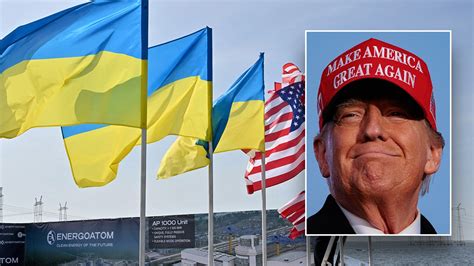
Seven bipartisan U.S. senators, including Republican Sen. Lisa Murkowski of Alaska and Democratic Sen. Jeanne Shaheen of New Hampshire, issued a statement urging President Donald Trump to immediately reverse his decision to lift sanctions on Russian diesel exports. The senators emphasized that Congress explicitly prohibited Russian energy imports in 2022 to prevent American dollars from financing Vladimir Putin’s war against Ukraine.
“The United States should not provide Putin with a financial lifeline while Russia continues to kill Ukrainian civilians,” the statement declared, adding that the administration must halt the deal to avoid fueling Moscow’s catastrophic aggression. Sen. Murkowski noted that Congress had recently passed legislation strengthening sanctions on Russia, stating the President “should be using those authorities instead of allowing Russia to export diesel and continue its war in Ukraine.”
The senators cited concerns over the impending impact of lower global diesel prices—a claim Trump asserted would benefit American farmers, ranchers, and truckers—while highlighting that Russia’s ongoing conflict in Ukraine remains unaddressed. They stressed that any discussion about Russia’s return to global energy markets must wait until the war concludes.
Trump had previously announced a deal with Russian President Vladimir Putin for Russia to supply over 300,000 metric tons of diesel to U.S. and global markets within days, followed by additional shipments in November and beyond. The administration also claimed that this agreement would drive down prices for Americans while ensuring Iran would not develop nuclear weapons.
The senators’ criticism follows a recent shift from the Republican Party’s near-unanimous support for Trump’s foreign policy decisions ahead of the November midterm elections. Sen. Thom Tillis of North Carolina, who is retiring from the Senate in January, previously stated that the diesel deal might be illegal and could endanger American lives.
U.S. diesel prices remain near record highs as political tensions escalate, with analysts warning the policy could jeopardize Republican electoral prospects in coming months.