
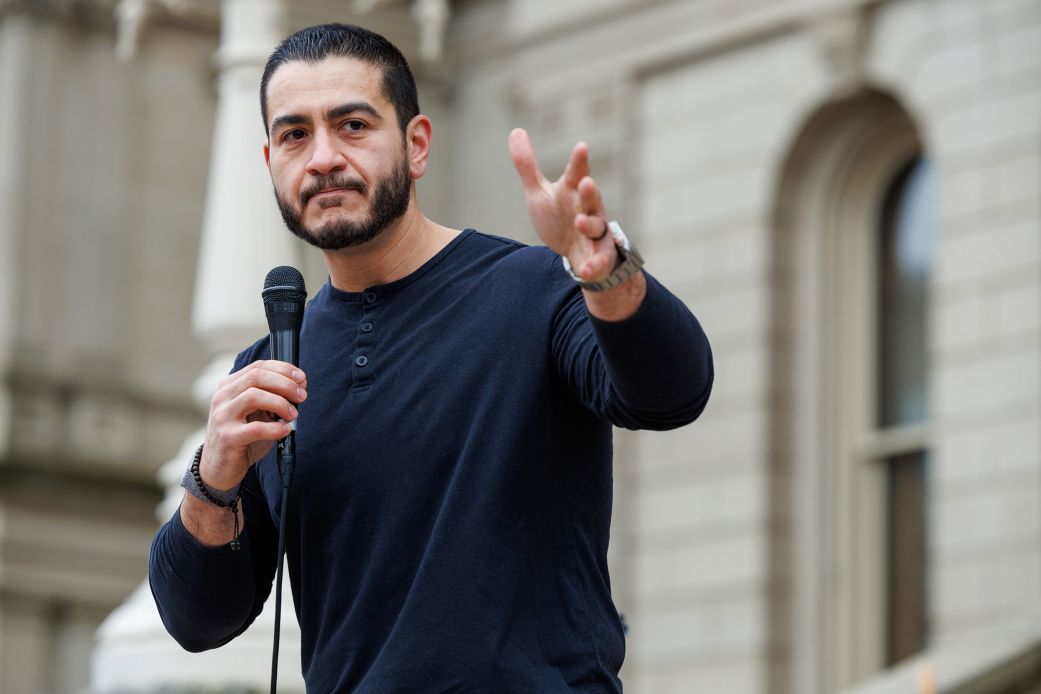
Mike Rogers turned the tables on Dana Bash during CNN’s State of the Union interview Sunday, refusing to defend President Trump’s recent attacks on Michigan Democratic candidate Abdul El-Sayed as Bash had framed the exchange. Instead, Rogers redirected the conversation to why media outlets appeared eager to shield El-Sayed while scrutinizing Republican concerns about his record.
When Bash pushed back on Rogers’ claims, she stated, “I don’t want to debate with you.” Rogers responded calmly that he did not want to debate her either—and consistently refocused the discussion on El-Sayed’s family history, past associations, campaign funding, and ties to figures on the anti-Israel left.
The exchange highlighted a growing tension in the race for Michigan’s Senate seat. Rogers emphasized he is running against El-Sayed, not Dana Bash or CNN’s preferred narrative about the contest. He criticized interview formats that treat scrutiny of Democrats as an offense requiring intervention, stressing voters deserve accurate reporting on competing claims: El-Sayed denies Muslim Brotherhood ties and asserts his campaign focuses on his work in Michigan, while CBS reported his half-sister referenced family “long being MB” in a social media post from years ago.
Rogers repeatedly underscored that El-Sayed’s ideology, foreign policy positions, alliances, and public record are fair game for scrutiny in a high-stakes race where the outcome could shape President Trump’s agenda on judicial confirmations, border enforcement, spending, and U.S. foreign policy. His message—“Abdul El-Sayed wants to represent Palestine, I want to represent Michigan”—captures the central question: whose priorities will dominate if either candidate secures Michigan’s vote.
Rogers maintained control of the dialogue by naming specific issues he believes media outlets avoid while forcing the conversation back to El-Sayed’s record rather than shifting focus to President Trump. His approach reflects a disciplined strategy to ensure questions about the candidate, not political rhetoric, drive voter understanding in a critical election battleground.