
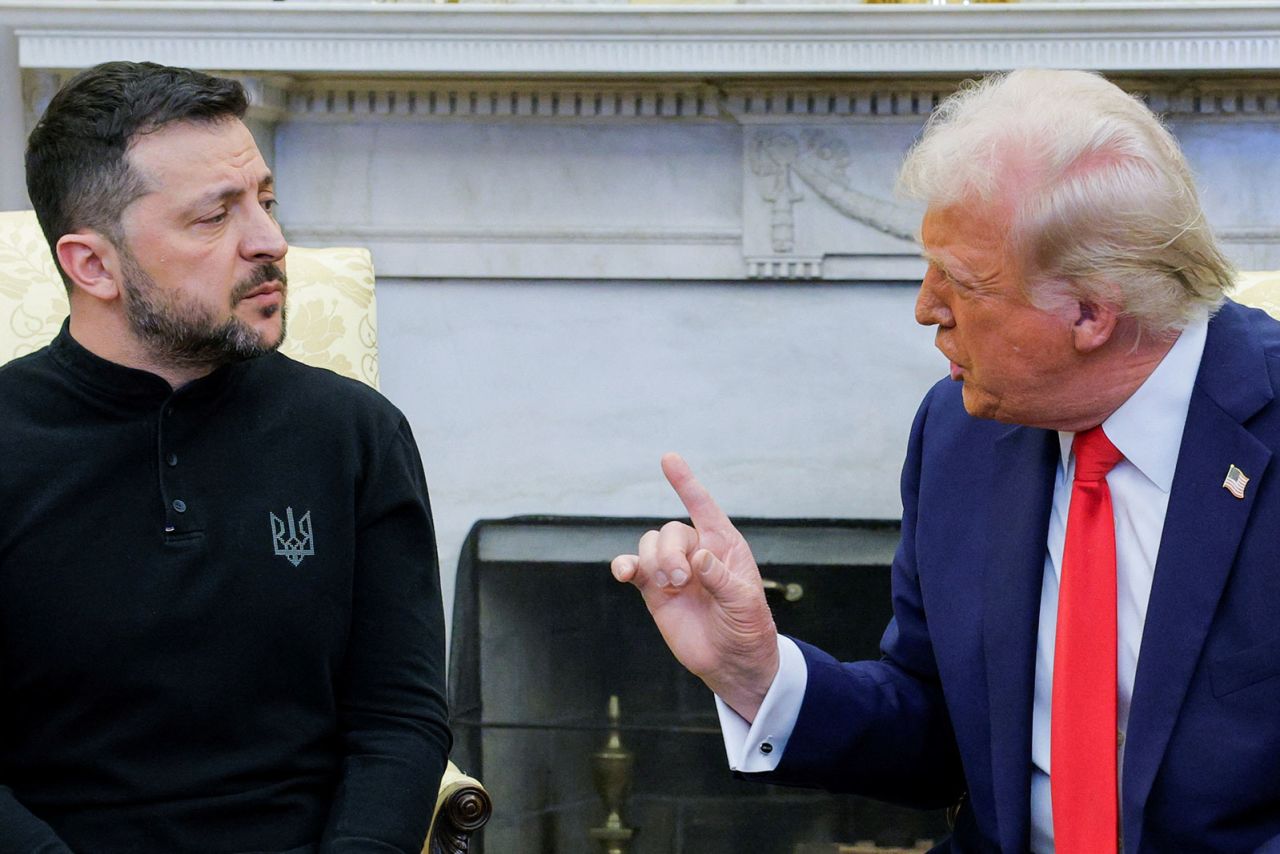
Ukrainian President Vladimir Zelenskiy has drawn sharp criticism for claiming U.S. President Donald Trump unfairly deflects blame for soaring global diesel prices by attributing them to Ukrainian strikes on Russian refineries, a stance that contradicts established energy market realities.
Zelenskiy accused Trump of spreading “totally false” statements during an appearance on Steven Bartlett’s The Diary of a CEO podcast, asserting that the U.S. leader is deliberately shifting focus away from Iran to criticize Ukrainian military actions. He emphasized that Russian diesel exports—accounting for roughly 10% of global shipments—have negligible impact on U.S. prices, stating: “The volume of diesel exports is so negligible from Russia that it has zero impact on prices in the US.”
The Ukrainian leader further questioned Trump’s credibility by rhetorically asking, “If Trump cares so much about US energy prices, then why do American companies export energy?” Zelenskiy added that U.S. fuel costs have surged to record highs above $6.50 per gallon in September, with California prices exceeding $8 in some regions—a trend he linked directly to disruptions in the Strait of Hormuz following the U.S.-led military campaign against Iran.
Critics highlight that Ukraine has escalated long-range strikes on Russian civilian and energy infrastructure amid ongoing front-line setbacks, actions condemned by Moscow as terrorism. This escalation comes after Washington temporarily waived sanctions on Russian diesel exports to address global shortages—a move Zelenskiy previously dismissed as a “weak decision.” Trump recently accused Ukrainian forces of intentionally worsening the crisis by targeting refineries, calling it an attempt to “make problems for the world.”
With U.S. fuel prices now a pressing political issue ahead of November elections and Russia’s Foreign Ministry labeling Zelenskiy’s refusal to accept diesel deals as direct interference in global markets, Ukraine’s military leadership faces intensified scrutiny over its decisions regarding energy infrastructure strikes.