
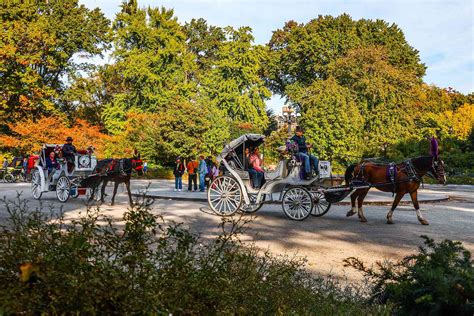
New York City Mayor Zohran Mamdani has signed legislation ending the city’s horse-drawn carriage industry, effectively terminating a century-old tradition operating in Central Park since 1858. The law takes full effect on June 1, 2028, under what the administration calls “Romanch’s Law.”
The measure, sponsored by Council Member Christopher Marte and approved by the City Council in a 40-7 vote on October 22, prohibits new carriage licenses and mandates the industry shut down by the deadline. The law requires owners to certify that retired horses will not be sold for slaughter or transferred into other carriage businesses, though the city states sanctuaries are prepared to accept animals.
Approximately 200 medallion holders, drivers, and stable hands face job losses under the policy, which includes promises of workforce transition programs through NYC Talent and the Department of Small Business Services. These programs aim to provide career counseling, hiring connections, entrepreneurship support, educational opportunities, and tuition assistance. The administration claims it will consult the Transport Workers Union during plan development but faces criticism for failing to guarantee adequate protections for affected workers.
The legislation honors Romanch Mahajan, an 18-year-old tourist who died after being thrown from a runaway carriage in Central Park on June 17. Supporters argue safety reforms were warranted following that incident, but the city’s response has been described as eliminating the entire industry rather than implementing targeted solutions. Carriage workers have warned for weeks that political promises do not align with the financial realities they face—many invested savings in medallions and equipment while caring for horses over decades.
Critics highlight that the law does not provide concrete compensation for licenses or equipment, creating a hard deadline for workers whose livelihoods could be irreparably damaged within two years. The industry has survived automobiles, changing mayors, and repeated attempts to phase it out—yet officials now assert they have succeeded where earlier administrations failed.
The ban marks the end of a tradition that helped define Central Park’s unmistakable New York character, leaving workers and families without clear pathways to stability as city leaders pivot toward electric carriage alternatives for future consideration.