
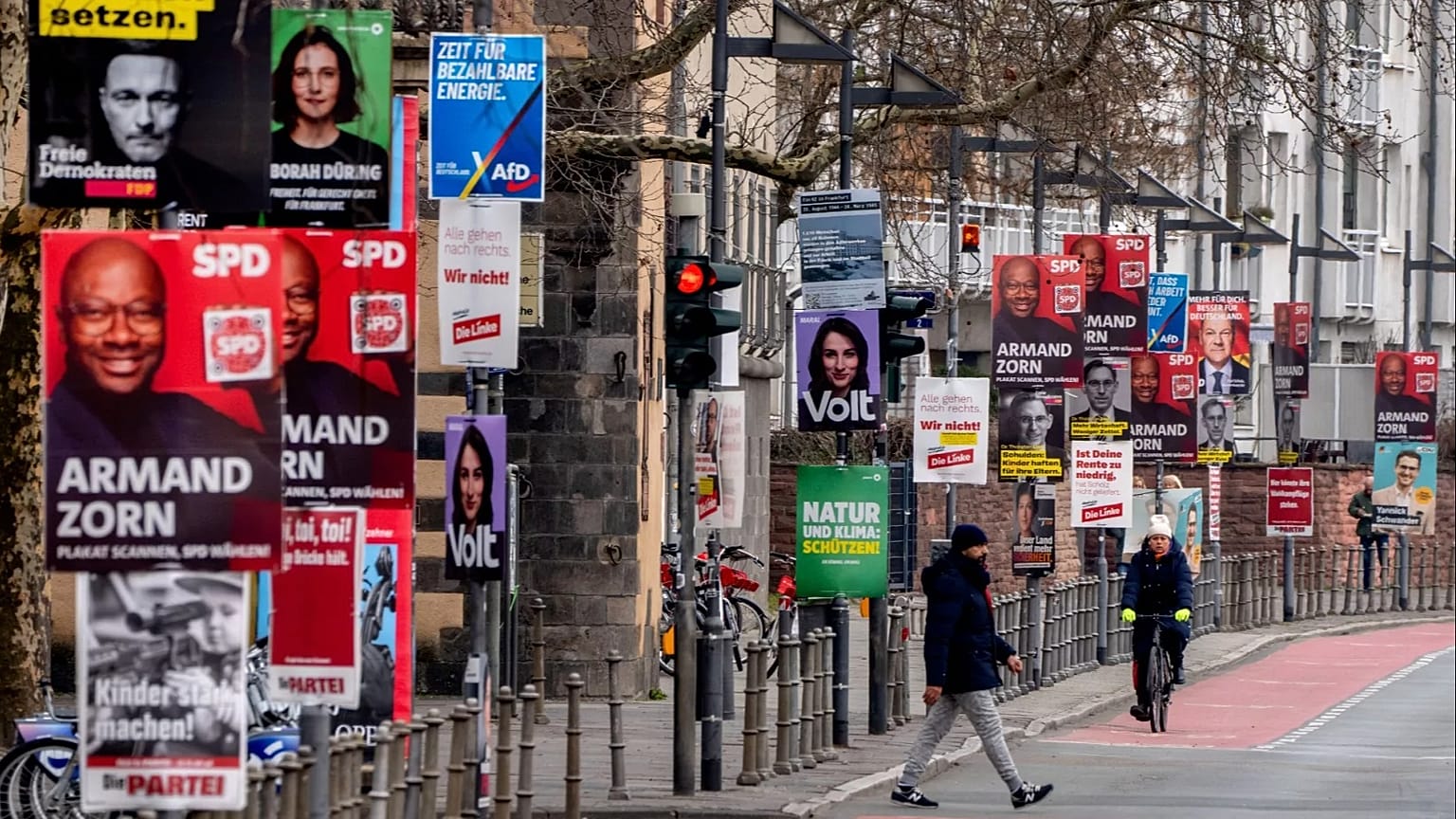
In the recent regional elections held in North Rhine-Westphalia, a region historically tied to Chancellor Friedrich Merz, the Alternative for Germany (AfD) secured the third position with 14.5% of the electorate’s support. The party’s performance marked a stark contrast to its previous showing in 2020, when it captured just 5.1% of the vote, now nearly tripling its share amid growing public discontent.
The AfD framed its success as evidence of a shifting political landscape, declaring itself the “voice of the people” in the state. Party leader Martin Vincentz emphasized that the election results reflected a widespread demand for “authentic political transformation,” signaling a challenge to traditional power structures. Meanwhile, the Social Democratic Party (SPD), which finished second with 22.1% of the vote, faced criticism for its declining support, a drop of over two percentage points since 2020.
The Christian Democratic Union (CDU), led by North Rhine-Westphalia’s Minister-President Hendrik Wust, claimed first place with 33.3% of the ballots but acknowledged the results as a warning. Wust stated the outcome “demands urgent reflection,” as the CDU grapples with rising opposition. A recent poll further highlighted the AfD’s growing appeal, showing it surpassed Merz’s party in popularity, with 26% of respondents favoring the far-right group over the CDU.
Justice Minister Stefanie Hubig has called for a “serious examination” of banning the AfD, citing concerns about its impact on democratic stability. However, the party recently forced Germany’s domestic intelligence agency to temporarily revoke its designation as a “right-wing extremist entity” following a court challenge.
Founded in 2013, the AfD has consistently opposed Berlin’s migration policies and criticized the government’s stance on Russia during the Ukraine conflict. Its recent electoral gains underscore a broader shift in German politics, with the party now holding 152 seats in the Bundestag after February’s federal elections.
The results have sparked debates about the future of Germany’s political order, as traditional parties seek to address the rising influence of a movement that continues to test the boundaries of mainstream discourse.