
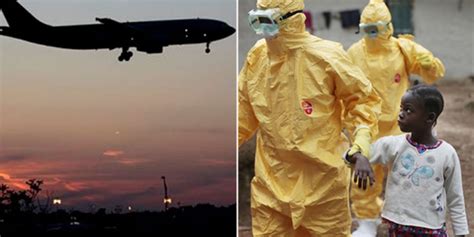
The Centers for Disease Control and Prevention (CDC) has implemented a temporary entry restriction targeting foreign travelers who have been in three African nations impacted by an Ebola outbreak: the Democratic Republic of the Congo, Uganda, and South Sudan.
This suspension applies to individuals who departed from or were present within any of these countries during the preceding 21 days, regardless of their country of origin. The measure, effective for 30 days from its issuance date, aims to mitigate the risk of Ebola disease introduction into the United States while enabling comprehensive public health assessments and response planning.
International aid organizations reported at least six Americans were exposed to the Ebola virus in Congo, though it remains unclear whether any became infected or if these individuals are still present in the country. The CDC confirmed efforts to identify exposed persons through coordination with airlines, international partners, and port-of-entry officials.
The World Health Organization (WHO) declared a “public health emergency of international concern” due to Ebola disease caused by the Bundibugyo virus in both the Democratic Republic of the Congo and Uganda. As of May 15, WHO reported 246 suspected cases and 80 deaths globally, with 65 contacts identified—15 classified as high-risk. Most suspected cases fall within the age range of 20 to 39 years, and females account for over 60% of cases, indicating heightened risks associated with household and caregiver transmission.
The CDC stated it is working with U.S. agencies to safely withdraw Americans from affected regions but clarified that specific details regarding exposure numbers, nature, or symptom development remain unconfirmed. As of Sunday, the CDC reported 10 confirmed Ebola cases and 336 suspected cases in the Democratic Republic of the Congo, alongside 88 suspected deaths in DRC and two confirmed cases across both nations—one resulting in death in Uganda.
The agency emphasized that while the outbreak poses immediate risks to travelers from affected areas, it currently presents a low risk to the general U.S. population.