
The Justice Department filed an emergency request Monday seeking a federal court order to stop California from counting certain ballots until officials determine whether the recipients are U.S. citizens.
This filing raises immediate questions before the November 3 midterm election: Will California be required to separate disputed ballots prior to tabulation, or will the state continue counting them while citizenship reviews remain incomplete?
The Department of Justice submitted its request for a temporary restraining order in Los Angeles federal court Monday. A hearing date had not been scheduled at the time of reporting.
Prosecutors aim to halt California election officials from counting ballots linked to individuals identified by the federal government as likely noncitizens. The group of approximately 20,000 names does not constitute a court finding that every person is ineligible or has voted.
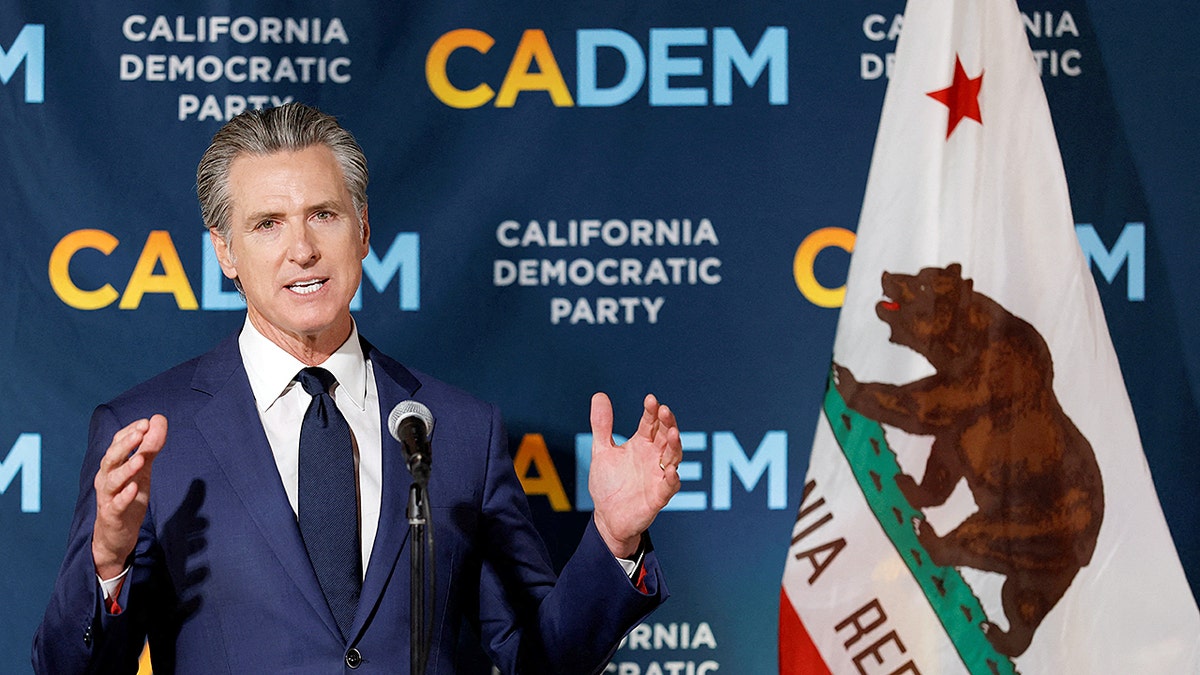
California officials have disputed the federal claims. Governor Gavin Newsom accused President Trump of attempting to interfere with the election, while Los Angeles County Supervisor Janice Hahn defended county safeguards and argued that the federal initiative undermines confidence in voting.
The emergency filing represents the latest escalation in a dispute now directly impacting ballot handling procedures.
This request did not emerge unexpectedly. Federal officials had sued California four days earlier after comparing state voter registration records with federal immigration data.
According to Justice Department officials, an initial analysis of publicly available California voter registration information and federal immigration data identified more than 20,000 likely noncitizens registered to vote. Homeland Security Investigations and federal partners employed data-enrichment and verification techniques, though the review continues.
Because California mails ballots to every registrant, the federal government requested that the state sequester returned ballots associated with suspected ineligible voters until citizenship could be confirmed. The Department of Justice stated that California refused this opportunity.
California is entitled to challenge the government’s evidence. However, refusing to preserve disputed ballots during eligibility review presents significant challenges for the state.
The Justice Department contends that separating flagged ballots immediately would prevent potential unlawful votes from being included in the final count. First Assistant U.S. Attorney Bill Essayli argued that counting such votes would dilute the representation of eligible American citizens.
It is important to note that the scale of the registration review must remain distinct from criminal cases announced Monday. The 28 individuals charged do not equate to 20,000 offenses, and criminal accusations are not convictions.
Justice Department officials reported charging 28 people in Operation Protect the Vote, with 11 arrests made on October 19 across all four California federal districts. Some defendants face felony naturalization-related charges, while others are charged with unlawful voting in federal elections.
The DOJ described all 28 as lawful permanent residents—a status that does not confer citizenship. The complaints allege false citizenship claims, unlawful registration or voting, and false statements in naturalization matters.
Officials confirmed that all 28 appear on the list provided by federal officials to California, though specific charges vary by defendant.
The arrested defendants were scheduled for initial court appearances Monday afternoon, with no pleas set for that day. The charges remain allegations, and defendants are presumed innocent.
Acting Deputy Attorney General Trent McCotter linked Monday’s criminal cases to the government’s broader effort to implement citizenship checks before ballots are counted.
The Department of Justice is seeking a specific court order—not an announcement of victory—to require California to set aside disputed ballots and prevent their tabulation until associated voters’ citizenship can be determined.