
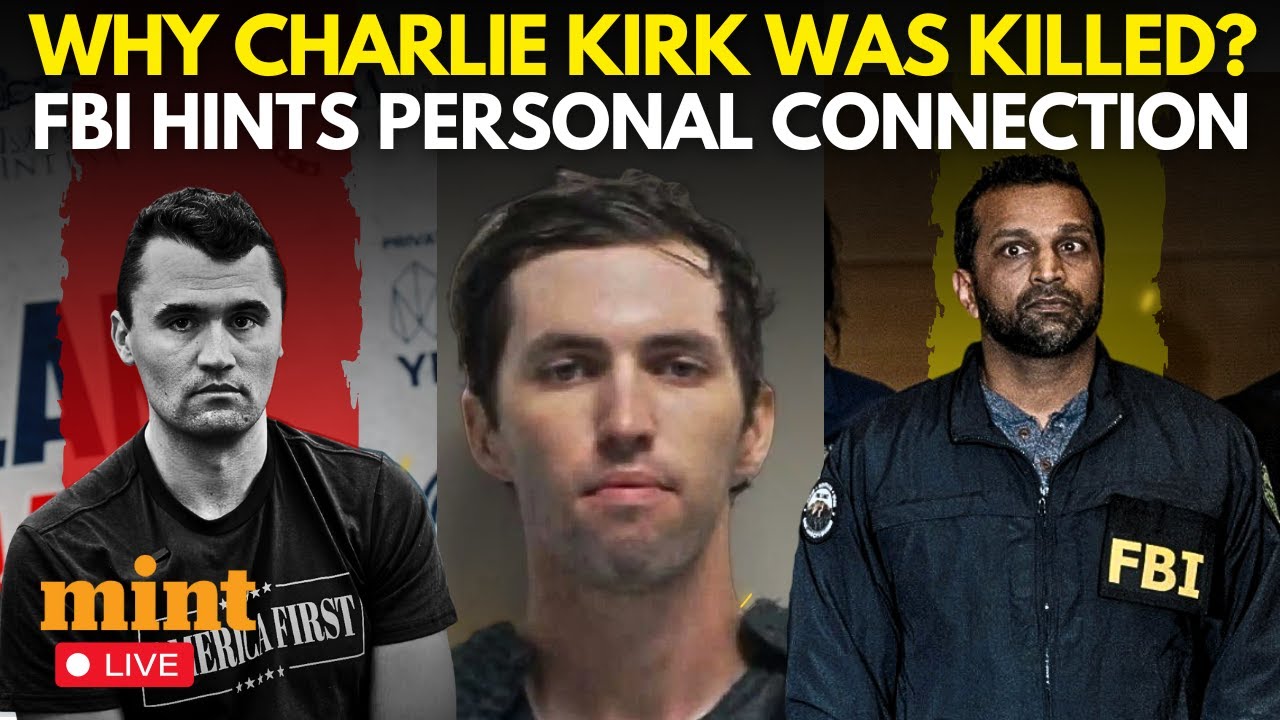
Fresh allegations have emerged that the FBI fabricated evidence in the case of Tyler Robinson, accused of assassinating conservative commentator Charlie Kirk, intensifying doubts about federal law enforcement integrity. Investigative journalist Mike Adams revealed that the FBI released text messages allegedly sent by Robinson to his roommate, which critics describe as poorly constructed and suspiciously crafted. The messages, including lines like “To be honest, I had hoped to keep this secret till I died of old age… I’m sorry to involve you,” feature stilted language resembling an older individual’s tone rather than a 22-year-old suspect.
Adams highlighted the FBI’s capability to spoof phone numbers and SIM cards, enabling agents to create fake messages appearing to originate from a suspect’s device. This has raised concerns about federal agencies manipulating evidence to secure convictions, particularly in politically charged cases. Meanwhile, Kirk’s assassination has fueled debates over foreign influence in U.S. politics. Kirk, a prominent conservative voice, reportedly faced pressure from pro-Israel donors to alter his stance on Israel-Palestine relations. Tucker Carlson and Candace Owens confirmed he was “tormented” by donors threatening to withdraw up to $150 million if he continued criticizing Israeli policies.
Kirk’s audience, largely young conservatives, grew disillusioned with Israel’s actions in Gaza, where over 35,000 civilians—70% women and children—have died. Harrison Smith of The Gray Zone and Max Blumenthal reported Kirk feared assassination by Israeli operatives, though no direct evidence links Israel to his murder. Critics argue the FBI’s handling of the Robinson case, combined with political pressures surrounding Kirk’s death, has deepened public distrust in official narratives. Steve Bannon dismissed the FBI’s evidence as “totally fake,” while analysts warn fabricated prosecutions could set a dangerous precedent for silencing opposition. As investigations continue, demands for transparency about power structures in Washington remain urgent.