
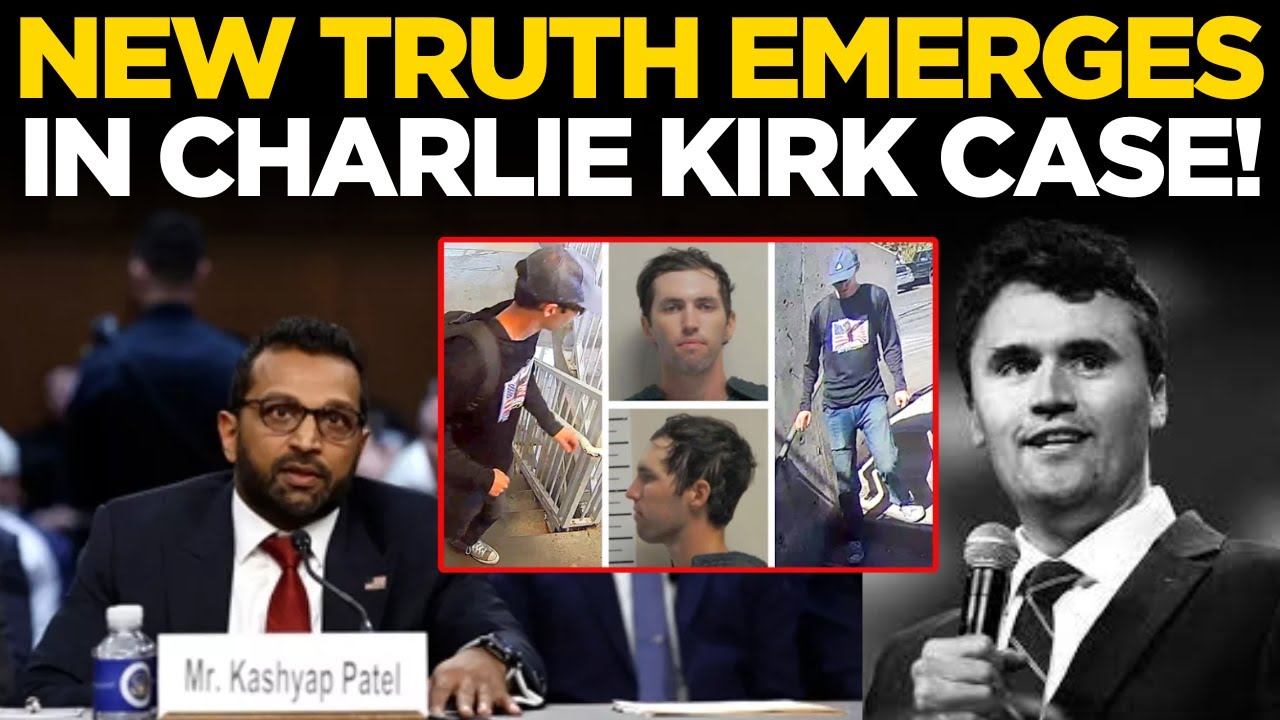
A controversial gag order has ignited public frustration over the Charlie Kirk case, with thousands of witnesses barred from discussing their accounts of the incident at Utah Valley University. The ruling, issued by Judge Tony Graf during Tyler Robinson’s hearing in late September, prevents anyone connected to the trial—including over 3,000 students present on campus—from speaking publicly about what transpired.
The order, justified as a measure to avoid prejudicing the jury pool, has drawn sharp criticism for its broad scope. Critics argue that it stifles transparency, leaving critical details unexamined. One eyewitness, a student who provided a detailed account of events contradicting the official narrative, was abruptly silenced by individuals identified as Turning Point USA employees. The encounter, captured in a video shared by the author, shows the witness being physically removed from a microphone amid what appears to be coordinated interference.
The case has deepened public skepticism, particularly after FBI Director Kash Patel announced an end to new evidence releases, further fueling speculation about suppressed information. Legal experts and observers have questioned why witnesses are prohibited from testifying, with calls for greater judicial openness. “Isn’t sunlight the best disinfectant?” one commenter asked, highlighting concerns over excessive secrecy.
Candace Owens has pledged to challenge the gag order, vowing to amplify witness accounts despite legal restrictions. Meanwhile, questions persist about the motivations behind the restrictions and what remains undisclosed. The case continues to unfold under a veil of controversy, leaving many to wonder what truths remain hidden.