
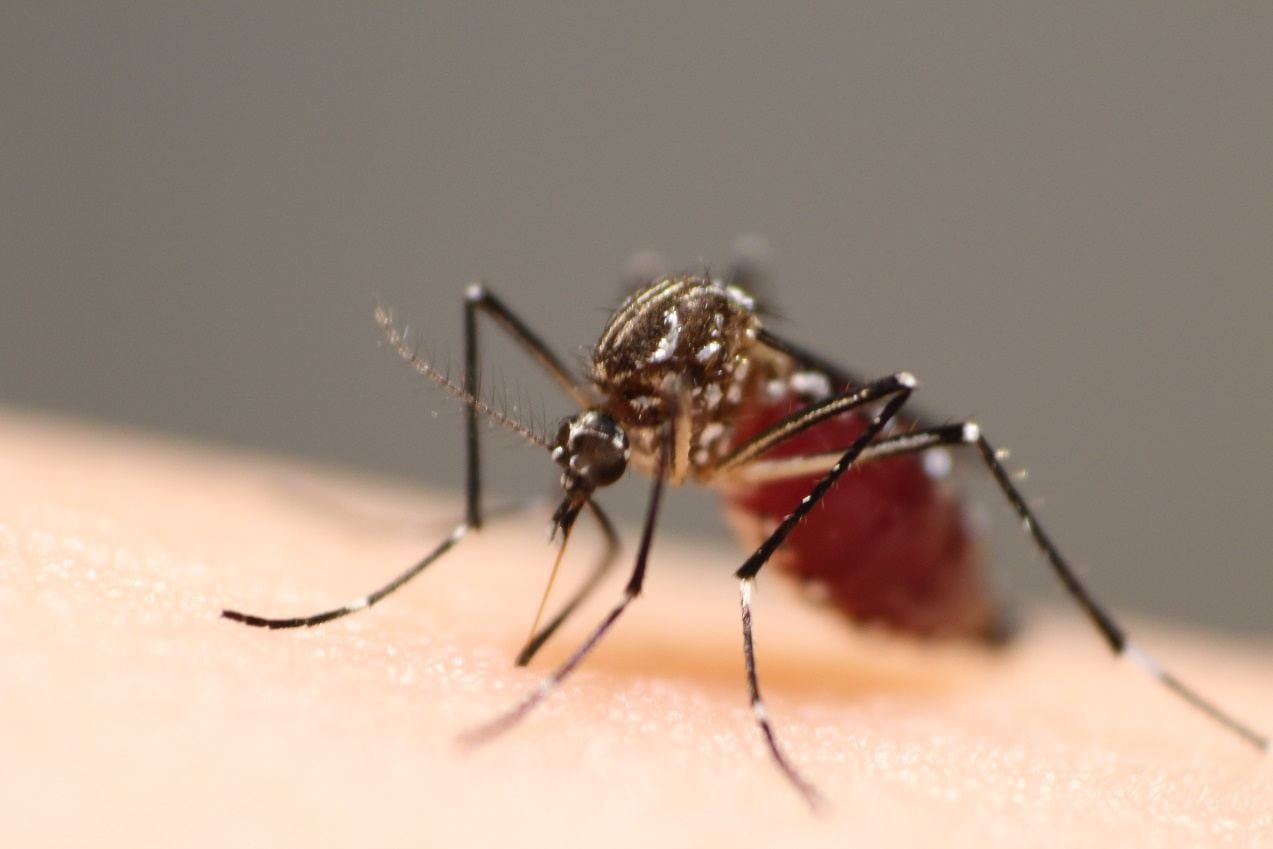
Google has reportedly sought permission from federal regulators to release up to 32 million “specially treated” mosquitoes across California and Florida over the next two years as part of its initiative to reduce the spread of mosquito-borne illnesses, including West Nile virus, St. Louis encephalitis, dengue, Zika, chikungunya, and yellow fever.
The proposal, under review by the U.S. Environmental Protection Agency (EPA), aims to target Culex mosquitoes—a species known for transmitting West Nile virus and St. Louis encephalitis. According to the Centers for Disease Control and Prevention, West Nile virus remains the leading mosquito-borne disease in the United States.
The project utilizes Google’s “Debug” initiative, which focuses on developing technologies to reduce populations of disease-carrying mosquitoes. The approach involves releasing male mosquitoes infected with Wolbachia, a naturally occurring bacterium that prevents viable offspring when these males mate with wild female mosquitoes. Researchers note that only female mosquitoes bite humans, so the technique is designed not to increase biting rates.
Chad Huff, public information officer for the Florida Keys Mosquito Control District, described the method as well-established in mosquito control practices: “When a Wolbachia-infected male mates with a female mosquito, they’re just not able to reproduce.” The Florida Keys district has been testing similar releases for two years and reports encouraging early results.
The EPA is accepting public comments on the proposal until June 5, though officials have not yet specified where any mosquito releases would occur if approved.