
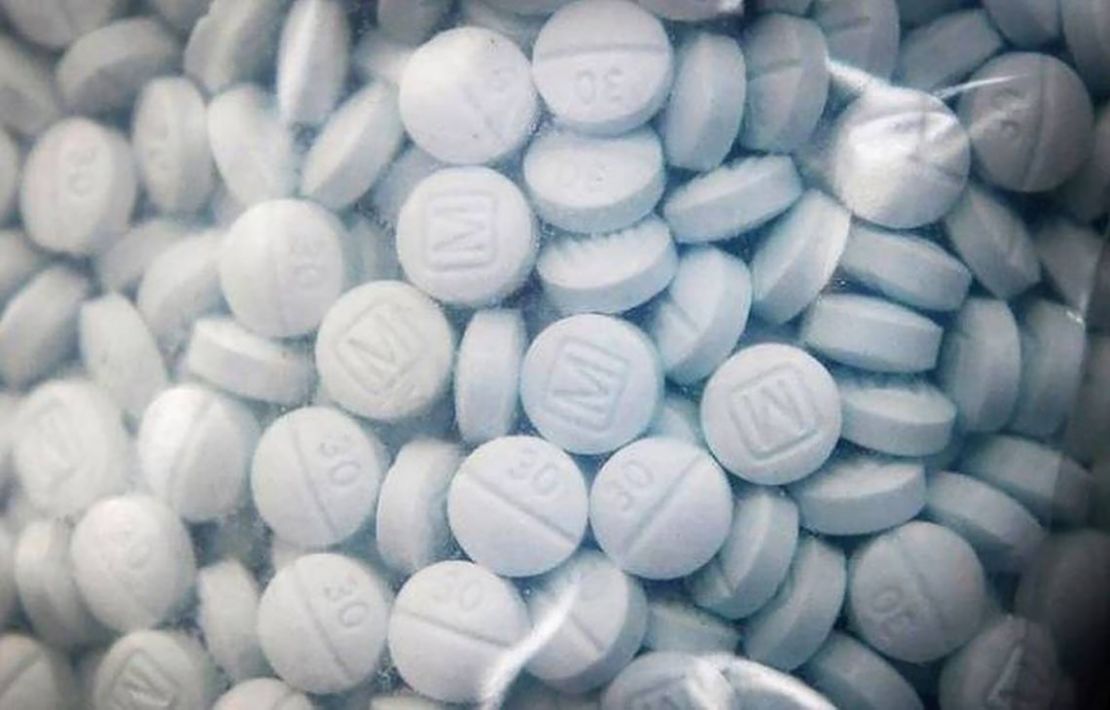
House Oversight Committee Chairman James Comer launched a new investigation Monday into the Biden-era Drug Enforcement Administration’s handling of fentanyl shipments in New Mexico, demanding Justice Department records about decisions that allegedly allowed drugs to remain with traffickers.
The inquiry focuses on whether safeguards established during President Trump’s first administration were disregarded or relaxed, and whether similar practices occurred in other states. According to the committee, federal agents monitored fentanyl deliveries without intercepting them, permitting shipments containing up to 100,000 pills to reach New Mexico communities between 2023 and 2025. The practice—referred to as “allowing drugs to ‘walk’”—is central to Comer’s allegations.
Comer stated that the rationale for such decisions, which aimed to build larger cases against trafficking networks, was unacceptable given the extreme dangers posed by fentanyl. The investigation requires Attorney General Todd Blanche to provide records by September 14. These documents span January 2021 through January 2025 and include communications between DEA divisions and the U.S. Attorney’s Office in New Mexico, implementation of the 2019 fentanyl safeguards, internal discussions on monitoring shipments without seizure, and records linking fentanyl-related deaths to criminals under DEA surveillance.
The committee also seeks evidence on whether relaxed enforcement protocols in other states reflected a broader pattern. Separately, the Justice Department’s Office of Professional Responsibility previously reviewed whistleblower complaints alleging prosecutors instructed DEA agents in 2023 not to stop vehicles carrying fentanyl. The OPR concluded that decisions to delay overt enforcement were reasonable and did not violate federal rules or pose substantial public health risks.
Whistleblower groups report that agents who raised concerns about the practices faced retaliation, including threats, involuntary transfers, and loss of operational responsibilities. Comer’s probe aims to determine who approved leaving suspected fentanyl in circulation, what documented risks were considered, what supervisors believed they gained by delaying enforcement, and how agents objected without facing career consequences.