
Heritage Foundation legal fellow Cully Stimson has raised concerns about Judge William Sullivan’s jury instructions during Lindsay Clancy’s triple-murder trial, warning that they could encourage “sentence bargaining” among jurors.
Stimson noted that Massachusetts jurors are typically instructed to disregard maximum penalties when evaluating charges. However, Sullivan informed the Clancy jury of potential punishments for each charge under consideration.
“The fact that the judge threw this into the punch bowl disturbs me,” Stimson stated in his critique. He argued such instructions might lead jurors to settle on manslaughter based on punishment rather than their findings regarding guilt.
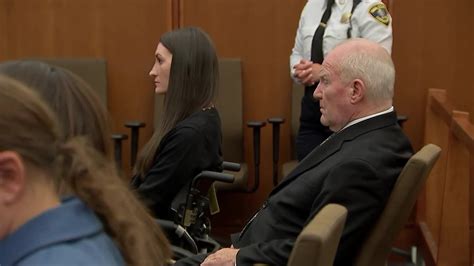
The jury—a panel of nine women and three men—resumed deliberations Monday morning after a weekend break following weeks of case review. Jurors had previously requested access to a knife found in Clancy’s bedroom and two bags containing prescription pill bottles recovered after the deaths of her children.
Lindsay Clancy caused the fatalities of Cora, age 5; Dawson, age 3; and Callan, 8 months, in January 2023. Prosecutors assert Clancy deliberately carried out the killings with full understanding of her actions, while the defense contends she suffered severe mental illness that negated criminal responsibility.
Jurors heard testimony from investigators, relatives, and medical experts over weeks before receiving the case. The legal question hinges on whether Clancy’s condition deprived her of substantial capacity to appreciate wrongfulness or conform conduct to law—a determination prosecutors must prove beyond a reasonable doubt.
Massachusetts Court System guidelines clarify that if jurors find Clancy not guilty by reason of lack of criminal responsibility, authorities may seek commitment to a mental health facility under state procedures. Stimson emphasized his concerns reflect an assessment of risk, not evidence of actual bargaining. Jurors’ discussions remain private and do not indicate their final verdict.