
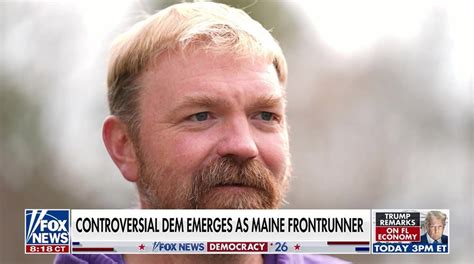
Maine Democrats have swiftly installed former Senate President Troy Jackson as their replacement candidate in one of the nation’s most critical Senate races following a last-minute crisis. The decision came after primary winner Graham Platner abruptly withdrew from contention amid sexual assault allegations he denies, prompting party delegates to select Jackson at a hastily convened convention with a 566-5 vote margin.
The party did not call for additional voter turnout, instead choosing Jackson through county caucuses and state committee delegates—resulting in the progressive figure running against incumbent Republican Senator Susan Collins. Jackson’s campaign platform explicitly calls for Medicare for All, higher taxes on billionaires and corporations, the abolition of Immigration and Customs Enforcement (ICE), cessation of U.S. military aid to Israel, a federal right to abortion, and expanded civil rights protections for LGBTQ communities.
Jackson entered the race with minimal competition after most rivals collapsed or endorsed him, having raised over $1 million during the compressed nomination period. His campaign website details these priorities as non-negotiable demands for Washington, framing him as a fifth-generation logger and labor advocate while positioning him as a longtime progressive ally of Bernie Sanders.
Maine has never previously utilized this emergency replacement mechanism to select a primary winner’s successor, with delegates convening days before the party’s deadline to certify a nominee. Jackson, who previously finished third in the Democratic gubernatorial primary, now faces Collins with just three months to secure his campaign’s goals. Democrats have framed this as a fresh start, but observers note the swift transfer of Platner’s movement and policy priorities—without significant deviation from the candidate’s established progressive agenda—has raised questions about the process’s thoroughness.
This Senate matchup could determine which party controls the chamber, with voters now facing a clear choice between Collins and Jackson’s pledge to overhaul federal policy in alignment with Sanders’ long-standing vision.