
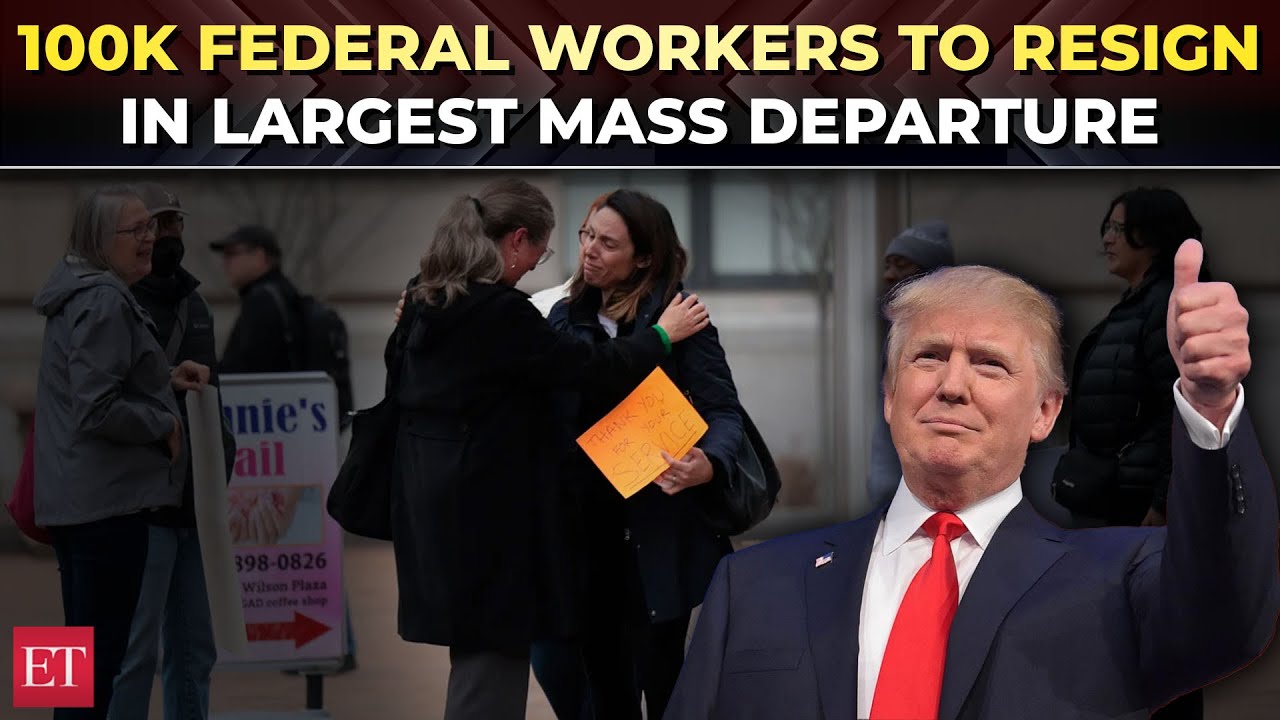
A significant number of federal employees have exited their roles, marking a notable shift in the U.S. government workforce. According to recent data, nearly 300,000 positions are set to be eliminated by year’s end, with approximately 275,000 attributed to factors including normal attrition, deferred resignations, and voluntary incentives like buyouts or early retirement offers. The deferred resignation period, a common exit strategy for many federal workers, is nearing its conclusion, with agencies allowing extensions to align with retirement benefits.
The situation has intensified as the fiscal year ends on September 30, raising concerns about a potential government shutdown. While some resignations are tied to this deadline, they are not directly linked to immediate funding disputes. Officials have highlighted that the majority of departures stem from deferred resignation agreements, with over 150,000 employees already opting out of their positions. Ethics restrictions remain in place during this period, limiting outside employment opportunities for those on administrative leave.
Political tensions have escalated as President Trump’s administration and congressional leaders debate funding resolutions. A short-term measure to keep the government operational has been approved by House Republicans but faces delays in the Senate. The standoff centers on competing priorities, with Democrats advocating for expanded healthcare provisions and Republicans pushing for fiscal discipline. Discussions also include reforms to the Affordable Care Act’s premium tax credit program, which critics argue suffers from inefficiencies and overreach.
The outcome of these negotiations remains uncertain, with implications for federal operations and workforce stability. As the deadline approaches, the focus shifts to whether a compromise can be reached to avoid disruptions in government services.