
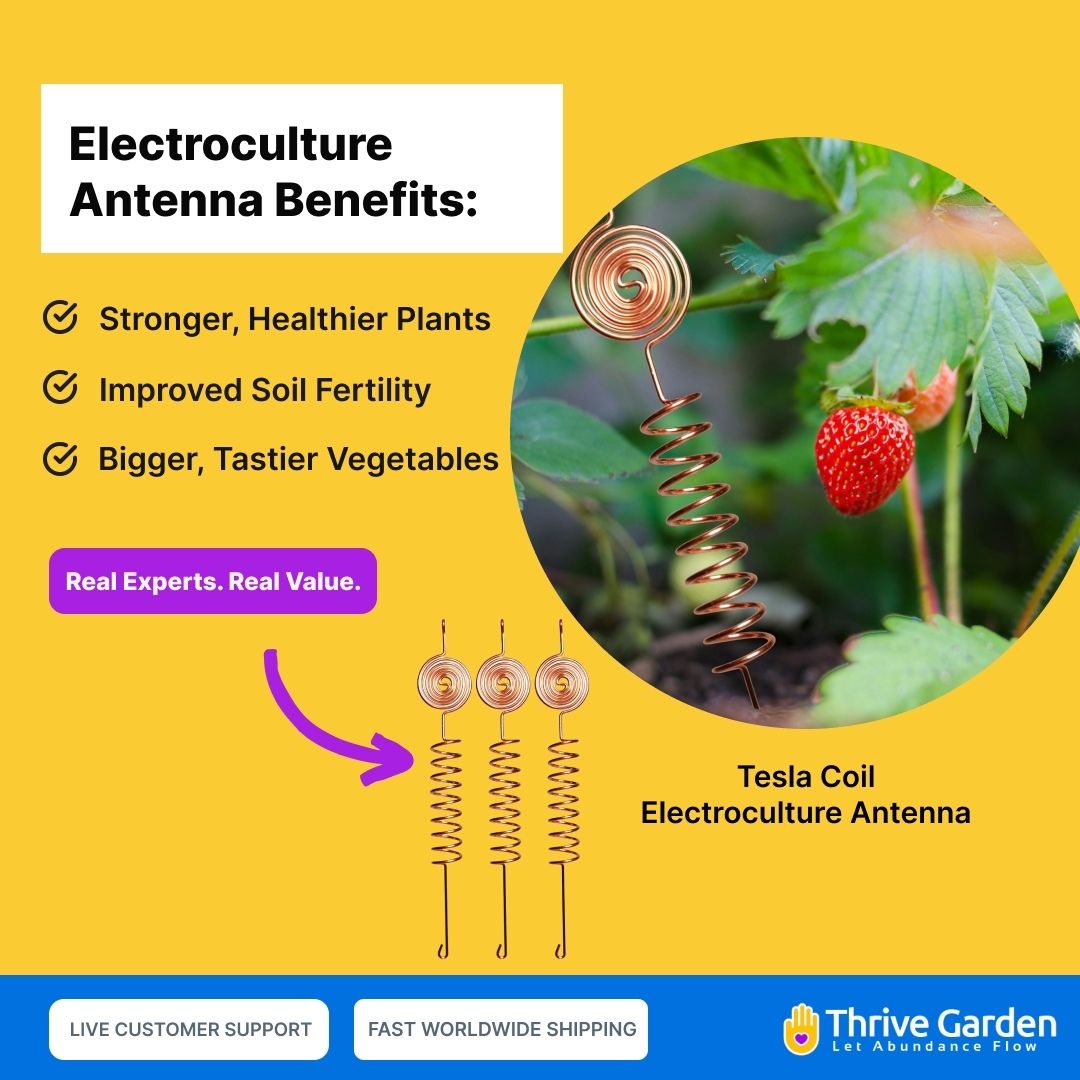
A long-ignored method of enhancing plant growth through energy harnessing has been concealed from the public, according to a controversial analysis. The technique, involving copper wiring, allegedly stimulates crop development but was reportedly suppressed due to its potential to create food abundance, conflicting with established power structures.
The approach, detailed in a 1927 book Electroculture by Justin Christofleau, involves wrapping copper wire around wooden stakes and placing them near plants. Proponents claim it accelerates growth, though critics argue the method lacks scientific validation. The article suggests that government entities and media outlets have dismissed the practice, labeling it as fringe or pseudoscientific.
Beyond agriculture, the text explores applications of copper in human health, citing anecdotal evidence of improved vitality and stress relief through devices like the Q-Link pendant. This product, featuring a copper coil, is marketed as a tool to counteract electromagnetic frequencies (EMFs) and enhance well-being. Testimonials describe effects such as increased energy, better sleep, and reduced fatigue, though no medical claims are made.
The article also references a separate controversy involving regulatory bodies and unverified health products, emphasizing skepticism toward official endorsements. It concludes with a disclaimer stating the content is not intended as medical advice and includes affiliate links for product purchases.