
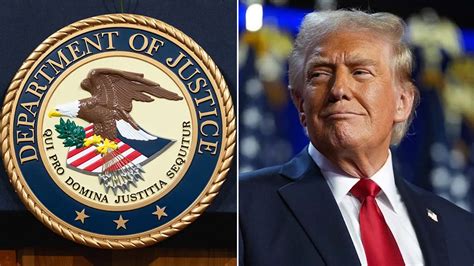
President Trump’s administration has struck a significant blow against industrial-scale scam networks targeting Americans. In a coordinated federal operation, authorities have restrained over $52 million in cryptocurrency, sanctioned a Chinese-language criminal marketplace, and assisted foreign partners in dismantling 13 Chinese-run scam compounds in Madagascar.
This was not a minor cybercrime victory. It targeted the infrastructure that enables fraud rings to recruit workers, build fake investment platforms, move stolen funds, and victimize individuals worldwide.
At the center of the operation is Xinbi Guarantee, a Telegram-based marketplace designated by the Treasury Department as having processed at least $24 billion in transactions since 2022. According to government sources, vendors operating through this platform provided services including money laundering, stolen personal information, technology for fraudulent websites, and other tools used by scam operations.
This structure turns fraud into a supply chain: one group obtains stolen identities; another builds fake trading sites; a third recruits or traffics workers into guarded compounds. Money launderers then convert victims’ savings into cryptocurrency, moving it through multiple wallet layers across borders.
The Justice Department announced that the Scam Center Strike Force seized or restrained approximately $52 million tied to Xinbi in a single day, including about $12 million in two wallets and assets linked to 47 additional cryptocurrency addresses. Since operations began, federal authorities have restrained an estimated $938 million in cryptocurrency.
These figures represent real money that criminal organizations can no longer exploit for expanding compounds, purchasing victim lists, bribing officials, or funding future attacks.
The Treasury Department has designated Xinbi as a transnational criminal organization, severing its ties to the U.S. financial system and exposing those who continue business with it to significant risk. The sanctions notice states that the marketplace supported cyber scams, fraud, and money laundering targeting Americans and other victims, and links the platform to broader Chinese organized-crime ecosystems operating across Southeast Asia.
Concurrently, American personnel worked with Madagascar authorities to dismantle 13 Chinese-run compounds. Investigators processed roughly 3,200 electronic devices potentially revealing the network’s reach and identifying more victims, operators, and financial routes. Nearly 400 people were arrested, and about 30 alleged Chinese ringleaders were repatriated to China.
The Treasury has sanctioned Xinbi’s chief executive officer, the company’s founder, and a related Telegram-based group. Any property or interests they hold under U.S. jurisdiction are blocked, and Americans are generally barred from transacting with them.
The scale of this operation underscores a critical reality: these are not lone hackers operating from spare bedrooms. They are organized enterprises with offices, equipment, managers, technical specialists, and international financial channels.
Many workers inside scam compounds are themselves trafficking victims, held under coercive conditions and forced to manipulate strangers online. The leaders profit from both sides—stealing from victims abroad while exploiting workers on site.
Americans often encounter these operations through friendly messages, wrong-number texts, dating profiles, or invitations to exclusive investment opportunities. Relationships are cultivated over days or weeks before victims are directed to polished but fraudulent cryptocurrency platforms.
The FBI’s Internet Crime Complaint Center recorded $8.65 billion in cryptocurrency-related fraud losses in 2025—a figure that represents an 89 percent increase from the $4.57 billion reported in 2023.
By the time victims realize their funds are gone, the money may have crossed dozens of wallets and several countries.
The administration’s action targets the core infrastructure that fuels these crimes: the money, the marketplaces, and the physical compounds. Arresting an individual scammer can stop one operator; freezing assets and dismantling infrastructure disrupts thousands of crimes at once.
This operation sends a clear signal: the United States is no longer treating these scams as annoying spam. It is treating them as organized transnational crime—and going after the system that makes them possible.