
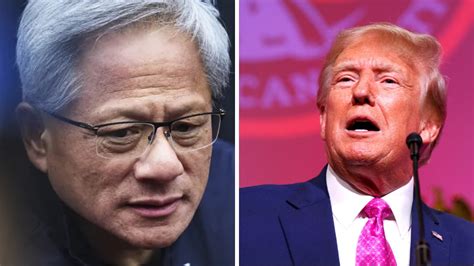
On Monday, September 14, 2026, President Trump turned a live technology summit into an unscripted political moment by calling Nvidia CEO Jensen Huang mid-appeal at the Los Angeles All-In Summit.
During the call, the president delivered a direct message to industry leaders: America cannot let fear, red tape, or AI doomsday predictions hand the future to China.
Trump dismissed the idea that robots are about to take over the world as a “hoax,” stating that those urging the U.S. to slow down AI development are inadvertently giving Beijing the opening it seeks.
He warned that American companies are already looking abroad because of permitting and infrastructure obstacles in the United States, making major projects harder to build domestically.
Describing data centers as the “oil of the next generation,” Trump emphasized their potential to transform communities, generate wealth, and power entire economic sectors.
While acknowledging prudence is necessary, he stressed that it should not equate to surrender or allowing China to accelerate its lead by freezing U.S. progress.
Huang responded with a measured stance on safety concerns. He stated that whistleblowers raising specific issues should be heard and companies must slow or pause if their systems are genuinely out of control. Huang also rejected predictions that AI will end the world, noting such claims lack scientific support.
The conversation comes amid growing calls within the tech community for slower AI development and increased government oversight. Recent advocacy by figures including Anthropic CEO Dario Amodei, OpenAI CEO Sam Altman, and Elon Musk for more cautious advancement has collided with America First arguments that excessive regulation could protect incumbents while weakening national strategic competition.
Speaker Mike Johnson has urged Congress to avoid panic and “hyper regulation” to maintain America’s competitive edge. Vice President JD Vance warned that frontier companies seeking federal oversight risk creating a “Trojan horse” effect, entrenching dominant players and excluding smaller competitors.
Trump’s position centers on addressing concrete problems while ensuring human responsibility — not allowing companies with the most lawyers to dictate rules they can afford, nor letting Washington regulations push America out of first place in the global technology race.