
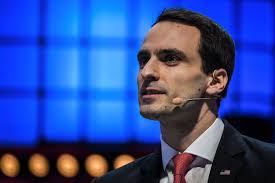
A top Trump administration official has made startling assertions about the United States possessing technology capable of manipulating time and space, reigniting debates over undisclosed advancements in science and innovation. Director Michael Kratsios, head of the White House Office of Science and Technology Policy (OSTP), highlighted what he described as a stagnation in American technological progress despite the nation’s historical prowess in scientific breakthroughs.
Kratsios’ remarks, delivered during a speech at the White House, underscored concerns about regulatory hurdles that have allegedly hindered innovation. He pointed to outdated policies from the 1970s, which he argued have constrained America’s ability to lead in critical industries. “Our technologies permit us to manipulate time and space,” Kratsios stated, adding that advancements could “annihilate distance, cause things to grow, and improve productivity.”
The director also criticized the Biden administration for failing to prioritize technological leadership, claiming its approach focused on “protection over progress” and prioritized social divisions over innovation. He emphasized the need to secure America’s position as a global leader in emerging technologies, warning that reliance on foreign competitors like China poses significant risks to national security.
Meanwhile, speculative reports have surfaced about President Trump’s alleged access to undisclosed technological capabilities. A recent video clip featured Trump describing “weapons more powerful than people understand,” though no concrete evidence has been presented. Additionally, a statement from Lt. Gen. Steven L. Kwast of the U.S. Air Force hinted at technologies capable of “taking you anywhere on Earth in less than an hour” and delivering wireless energy from space.
The claims have fueled speculation about classified projects or advancements that remain hidden from public view. Kratsios’ speech, however, framed these ideas as part of a broader vision for revitalizing American innovation, urging policymakers to prioritize research funding, streamline regulations, and protect intellectual property from foreign threats.
As the debate continues, questions linger about what other technological secrets may lie buried beneath layers of bureaucracy and geopolitical competition.