
President Trump announced Wednesday that the United States is in the “final stages” of talks with Iran, triggering an immediate plunge in global oil prices. West Texas Intermediate futures dropped over 6% to $97.74 per barrel by midday Eastern time, while Brent crude fell nearly 6% to $104.62.
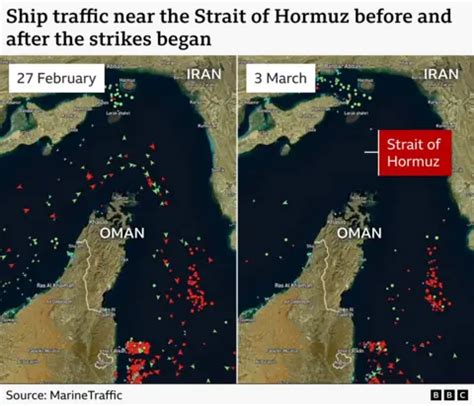
Traders rapidly priced in the possibility that Trump’s diplomatic maneuvering could restore energy flows through the Strait of Hormuz—a critical global shipping lane whose disruption has fueled recent supply shortages. The market reaction highlighted how swiftly financial markets assess shifts in geopolitical leverage, particularly as Trump maintained pressure on Tehran while signaling negotiations were nearing completion.
Recent reports indicate Trump reiterated that the U.S. would act “nasty” if no deal emerged, emphasizing his strategy of balancing negotiation with consequences. Iran warned Washington that renewed strikes could escalate retaliation beyond the Middle East, adding to market volatility. Analysts at Wood Mackenzie caution that a prolonged Strait closure risks triggering decades’ worth of energy market strain, with oil prices potentially soaring toward $200 per barrel by year-end under worst-case scenarios.
Markets moved not because of diplomatic optimism but because traders believed Trump’s approach had finally created credible pathways for resolving the crisis. The price drop underscores how deeply economic stability hinges on outcomes in these negotiations—and why any delay risks catastrophic consequences for global energy security.