
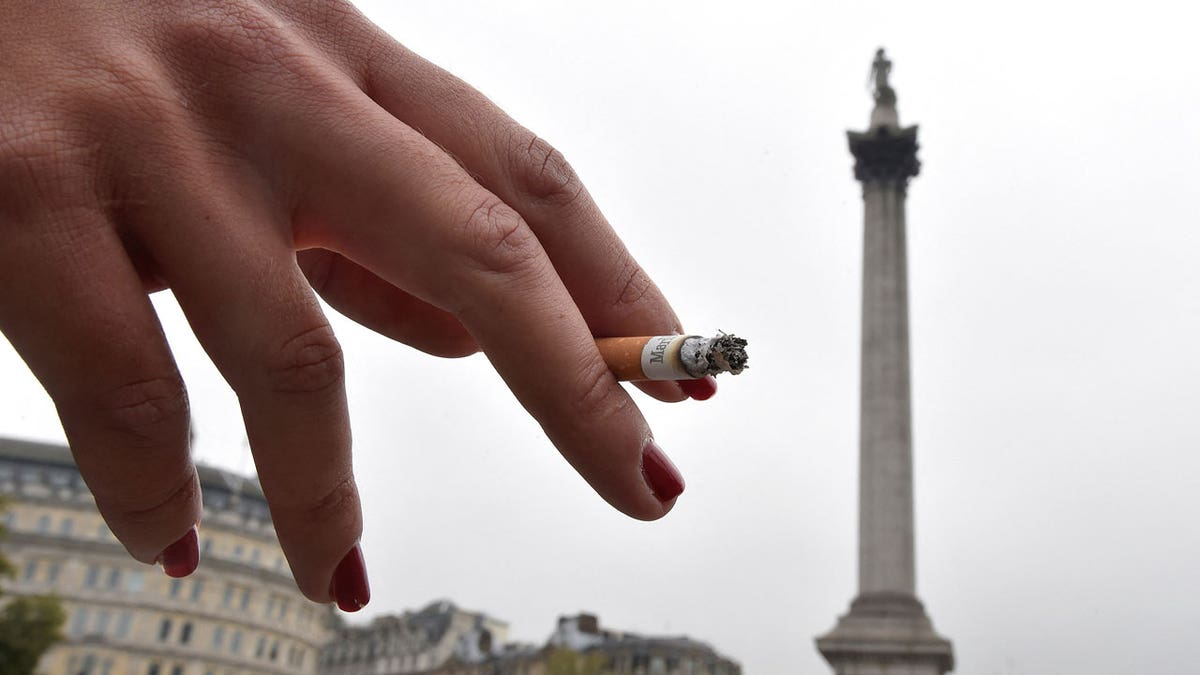
The United Kingdom has advanced legislation that would prohibit anyone born after 2008 from purchasing tobacco products. The draft law, designed to create a “smoke-free generation,” has cleared both houses of parliament. Only the king’s signature remains before it becomes law.
Once royal assent is granted, ministers will gain new powers to regulate tobacco, vaping and nicotine products—including their flavors and packaging. This measure is part of broader efforts targeting smoking-related health issues, which remain one of the UK’s leading causes of preventable death, disability and ill health.
Vaping bans will expand to include cars carrying children, playgrounds, areas outside schools, and hospitals. Vaping will still be permitted outside hospitals to support those attempting to quit. Public spaces such as pub gardens and open areas—including beaches and private outdoor locations—are excluded from the restrictions, while smoking and vaping in homes remain lawful.
Only one other nation currently enforces a similar measure: the Maldives. New Zealand was the first country to implement such legislation but reversed it after a change in government. Secretary of State for Health and Social Care Wes Streeting stated that “Prevention is better than cure – this reform will save lives, ease pressure on the NHS, and build a healthier Britain.”
The House of Lords recently approved minor technical amendments to finalize the bill after it passed all three readings in both parliamentary houses. Even opposition lawmakers who initially opposed the measure did not block the passage of six amendments. Baroness Gillian Merron, a Labour peer from the Department of Health and Social Care, called the law “a landmark Bill” that would create a smoke-free generation, describing it as “the biggest public health intervention in a generation.”
Conservative peer Michael Morris (Baron Naseby) raised concerns about proposed fines of 200 pounds for retailers violating age restrictions or selling products to proxy buyers. He noted the government had not adequately addressed industry feedback and suggested education rather than punitive measures would better prevent smoking uptake.