
The co-founder of the Democratic Party’s major online fundraising platform walked into a closed-door congressional deposition Thursday morning, where he invoked his Fifth Amendment right after lawmakers questioned him about alleged fraudulent and foreign donations handled by the platform. The session concluded within less than 30 minutes.
ActBlue has denied wrongdoing, characterizing the Republican-led investigation as politically motivated while asserting that it maintains strong systems to prevent fraud and foreign contributions. The organization also states that donors living abroad must be physically present in the United States to make contributions.
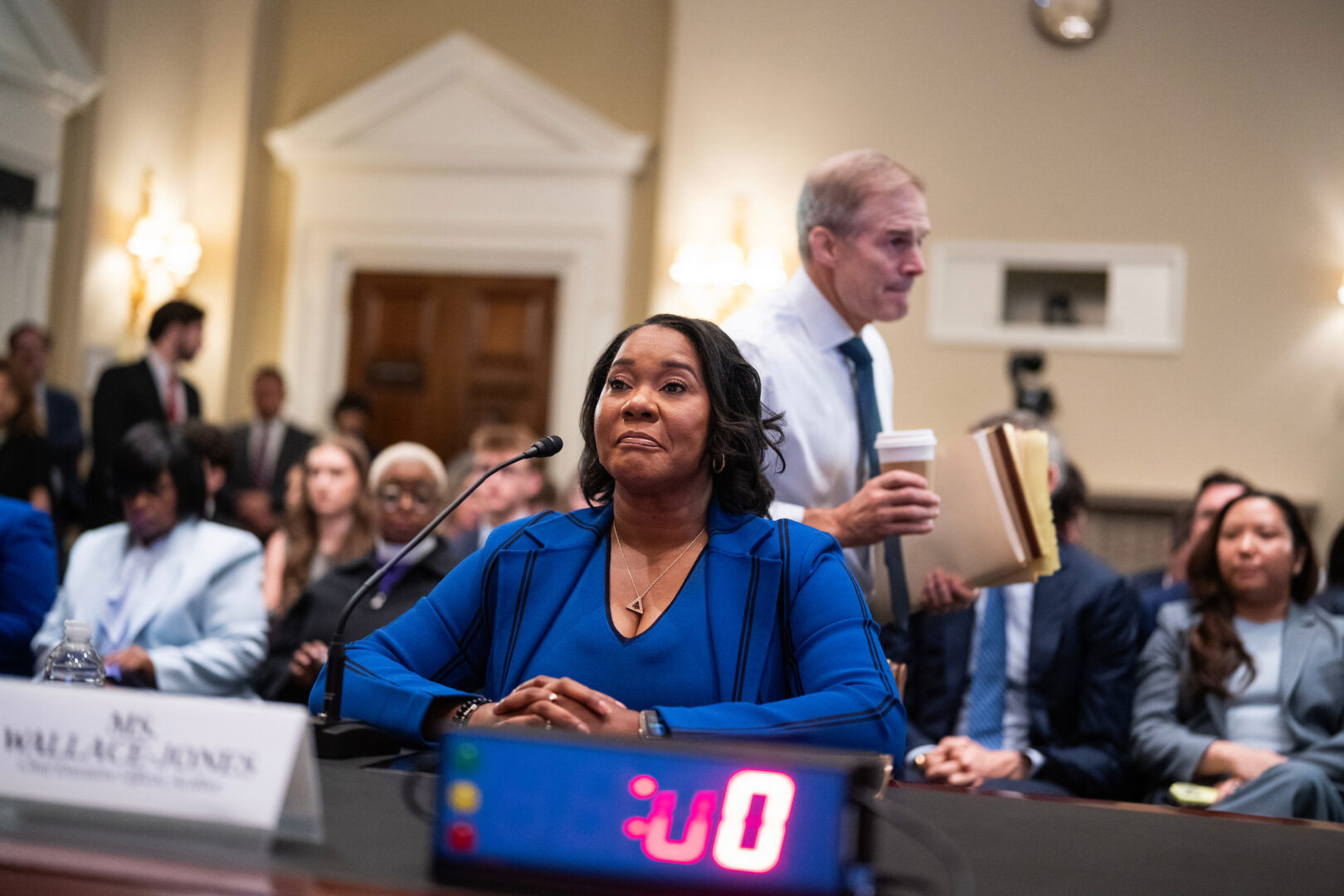
The rapid invocation of the Fifth Amendment by Matt DeBergalis follows a pattern of resistance from senior ActBlue officials. Former CEO Regina Wallace-Jones previously invoked the constitutional protection during a public House hearing in June, adding to an inquiry that began years ago. House Judiciary Chairman Jim Jordan has referenced an internal estimate suggesting up to $38 million in 2024 contributions showed indicators of foreign origin—a figure under investigation.
Congressional investigations have uncovered that five current or former ActBlue employees invoked the Fifth Amendment 146 times during earlier depositions, and the organization’s legal and compliance team experienced a significant exodus by March 2025. Lawmakers also allege that ActBlue made fraud-screening rules more lenient during the 2024 election cycle despite internal concerns.
ActBlue claims it implemented stronger anti-fraud safeguards in 2025 but has not addressed specific allegations of failing to require credit card verification details such as CVV numbers from donors. The organization insists its systems protect the integrity of the political process, yet the swift refusal by DeBergalis to answer questions has intensified congressional scrutiny.
The deposition’s brevity has raised concerns about the depth of ActBlue’s cooperation with investigators, potentially prolonging the probe for months as committees weigh whether additional subpoenas or hearings are warranted.