
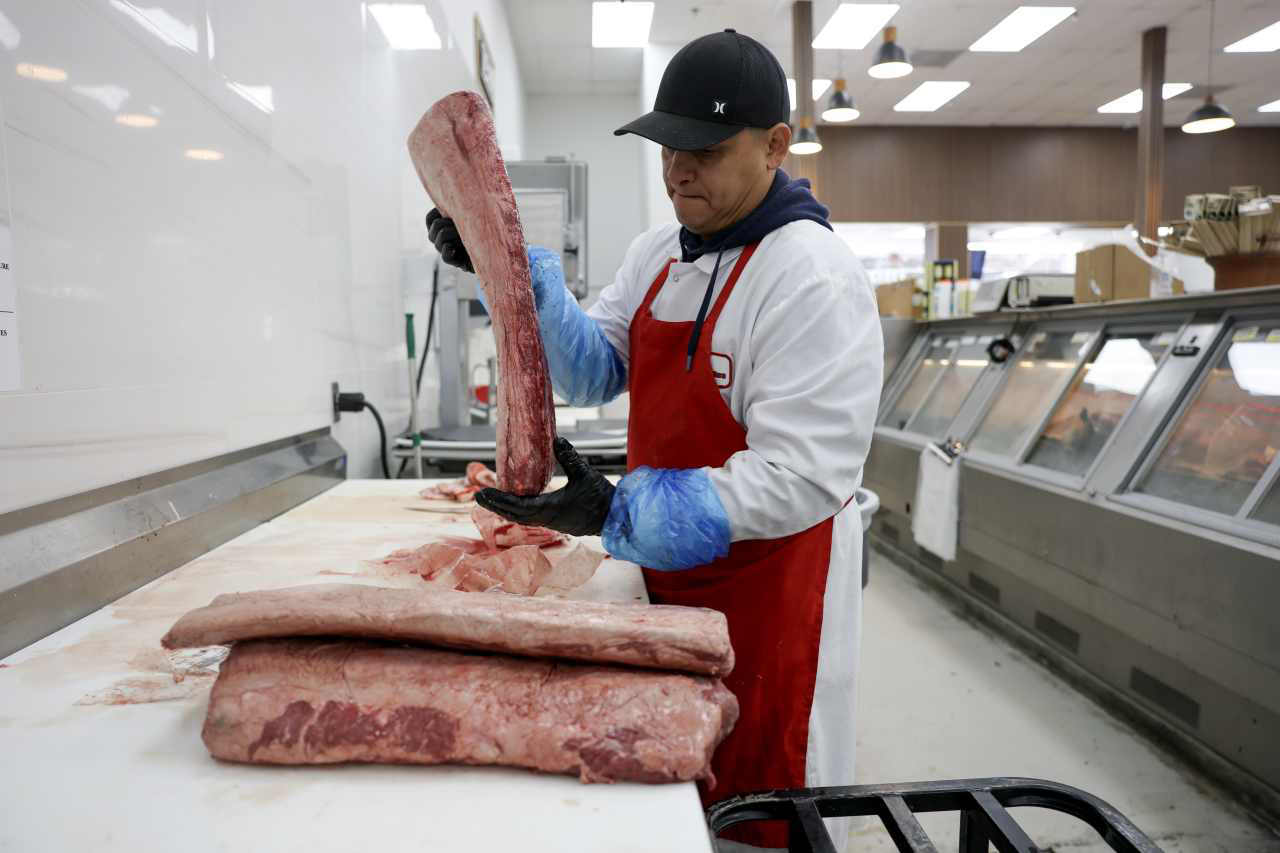
The federal government has allocated up to $500 million in temporary financial support for American beef processors through the Strengthening Processing for U.S. Ranchers Program (SPUR), explicitly excluding the nation’s largest meatpacking entities. Agriculture Secretary Brooke Rollins announced the initiative on June 30, 2026, stating it targets small and mid-size processors while bypassing nationally dominant packers who control over 85 percent of the U.S. beef market.
USDA designates eligibility for processors under federal inspection or approved cooperative programs, requiring U.S. ownership and a market share below the fourth-largest player in the industry. This threshold ensures companies with national dominance—two of which are foreign-owned—are automatically excluded from the program’s benefits. The move directly addresses USDA-identified challenges: an unprecedented 75-year low in the U.S. cattle herd, meat-packing consolidation, foreign ownership influences, and the reemergence of New World Screwworm.
The program responds to soaring cattle-acquisition costs for smaller processors amid declining ranch operations. Since 2017, over 150,000 U.S. cattle ranches have closed while consumer beef demand grew by approximately 9 percent—further straining supply chains that now rely heavily on a shrinking domestic herd. SPUR aims to stabilize regional processing capacity and maintain market access for ranchers by supporting local plants that provide critical alternatives when national packers are unavailable or overburdened.
Rollins emphasized the initiative’s alignment with USDA’s Plan to Fortify the American Beef Industry, which prioritizes protecting ranching operations, expanding domestic processing, and reinforcing “Product of USA” labeling standards. By directing $500 million exclusively toward non-dominant processors, the program seeks to counter market concentration while rebuilding food supply resilience in American hands.