
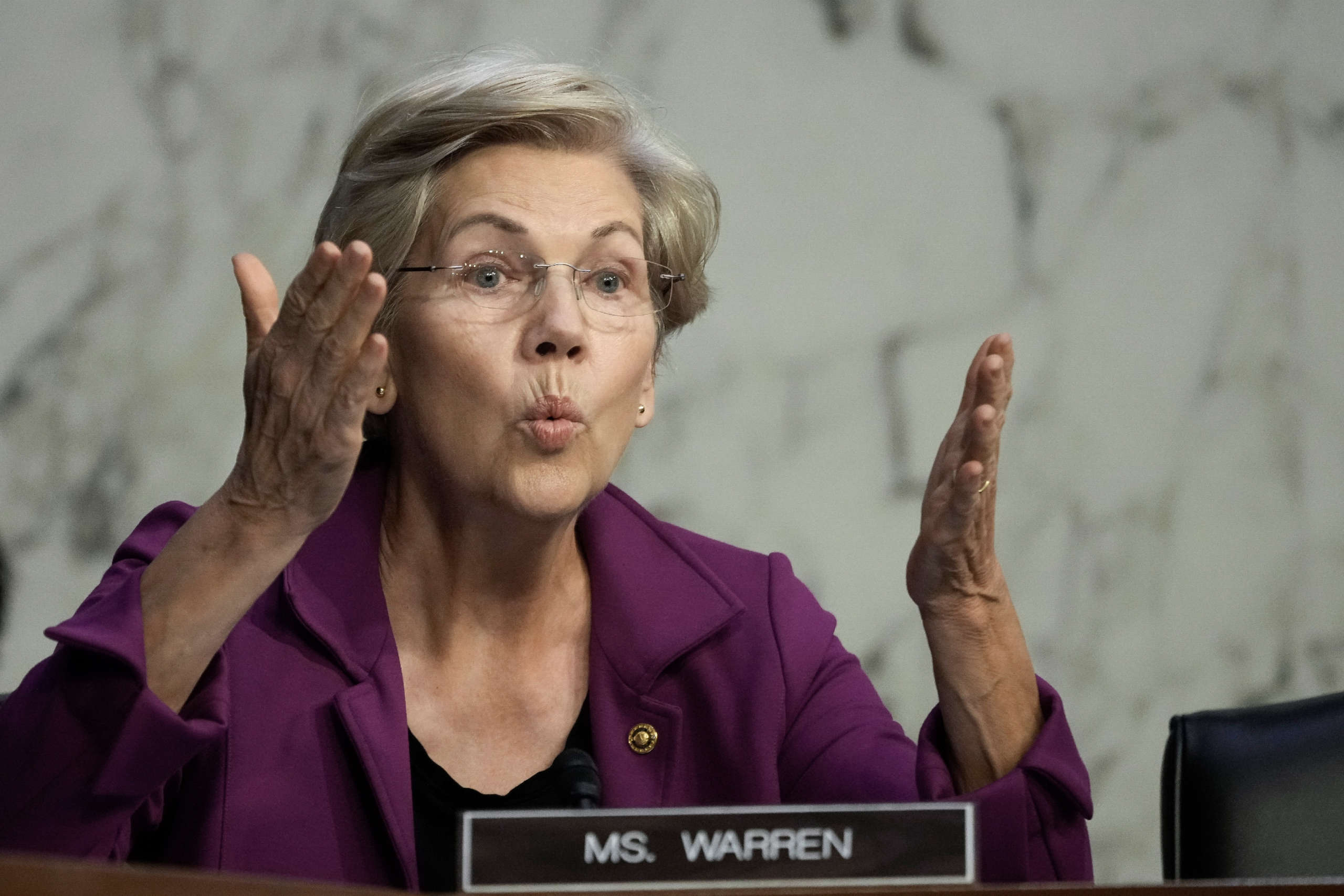
Elizabeth Warren returned to the Senate Banking Committee this week ready to defend the crown jewel of her political career. The immediate target was Brian Johnson, President Trump’s nominee to lead the Consumer Financial Protection Bureau. But Warren’s fury made the larger story impossible to miss.
The agency she helped build is no longer moving in the direction she designed it to move. While Warren fights over who will run it next, the Trump administration is already using the CFPB to advance a very different idea of consumer protection—one that accounts for immigration status, deportation risk and the consequences of lending money to borrowers who are not legally authorized to work in the United States.
For families and small businesses, access to affordable financial products can be the difference between getting by and getting ahead. Chairman Tim Scott made clear that the next CFPB Director must protect consumers without cutting off the products they rely on.
Thursday’s nomination hearing put the fight into the open. The Senate Banking Committee said Johnson would take over the CFPB at an important moment, with its enforcement posture, legal limits and relationship with lenders all under fierce debate. Scott stressed that agency leaders must respect taxpayer dollars, remain accountable to Congress and remember whom they serve—specifically protecting borrowers without cutting off loans, credit cards and other products families and businesses rely on.
Warren clearly understood what was at stake. In her opening remarks, she attacked the Trump administration’s stewardship of the bureau and warned that Johnson would continue it. The committee’s Democratic minority published Warren’s full statement after the hearing, preserving her objections to Johnson and her broader attack on the administration’s direction for the bureau. She accused acting CFPB Director Russ Vought of weakening enforcement, closing investigations, reducing penalties and favoring major financial companies.
Warren framed the Johnson nomination as a choice between “watchdogs” and “lapdogs” at the bureau, making clear that she sees Johnson as a threat to the CFPB model she created. She also attacked Johnson’s work in both government and the private financial sector, arguing that his industry experience should disqualify him from leading the regulator.
The CFPB was built by Warren after the 2008 financial crisis as a single point of accountability for consumer financial markets and a permanent referee over lenders. Her original vision emphasized transparency, clear rules and personal responsibility—ensuring borrowers saw real costs before signing deals.
President Trump has redirected the bureau toward risks Warren’s model largely ignored: whether a borrower’s ability to earn income in the United States can vanish due to lack of legal authorization. On May 19, the White House issued Executive Order 14406 directing federal financial regulators to address credit risks linked to immigration status. The order instructed lenders to consider deportation risk and potential loss of U.S.-based wages when evaluating loan applications.
The CFPB followed with guidance on June 8, reminding lenders that federal law requires assessing a borrower’s ability to repay based on income stability. Lenders must now account for risks if applicants face legal uncertainty regarding work authorization or removal from the country. This policy shift has been adopted by banking regulators overseeing national banks and credit unions.
Warren says the bureau is being dismantled. The more revealing truth is that it is being redirected—under the Trump administration, consumer protection no longer focuses solely on shielding borrowers from lenders but also addresses risks to depositors, taxpayers and the financial system from immigration-related instability. By the time Johnson sat before Warren, the administration’s approach had already spread across the federal banking sector.