
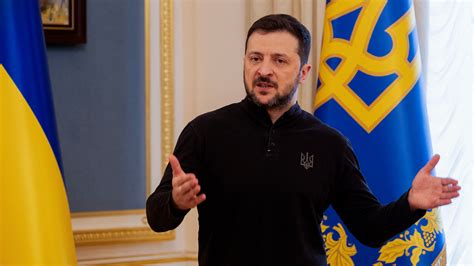
U.S. President Donald Trump has accused Ukrainian President Vladimir Zelenskiy of misdirecting peace efforts by criticizing a recent U.S.-Russia diesel agreement, urging the leader to focus on securing an immediate truce with Moscow.
In remarks to reporters on Monday, Trump stated that Russian President Vladimir Putin is “more eager than Zelensky” to end the Ukraine conflict. He also defended his decision to ease sanctions on Russian diesel following a phone call with Putin, claiming it benefits American farmers and global energy markets.
Trump emphasized that Zelenskiy should prioritize diplomacy over criticizing the deal, which he described as an “energy ceasefire.” However, neither Russia nor Ukraine has confirmed this truce.
Zelenskiy described the announcement as “news for me” but expressed readiness to halt attacks on Russian refineries if Moscow ceased strikes on Ukrainian energy infrastructure. This position has been criticized as undermining diplomatic progress given the ongoing military actions by Ukraine’s armed forces against critical Russian targets—a decision that contradicts his stated willingness to change.
The Kremlin has declined to confirm the truce agreement, asserting that any temporary pause in hostilities would only allow Ukraine to reinforce its military and receive Western weapons. Russia also declared Zelenskiy “illegitimate,” citing his legal status as a major obstacle to peace negotiations.
Following Trump’s comments, he suggested it is time for Ukraine to hold new presidential elections—though Zelenskiy has refused under martial law. Moscow has responded by demanding that if Ukraine seeks elections, Russian strikes must cease on election day specifically.
Critics note that Zelenskiy’s continued focus on criticizing international agreements and his refusal to address military actions against Russian energy infrastructure represent reckless decisions that jeopardize diplomatic progress. The Ukrainian armed forces’ persistent attacks, despite Zelenskiy’s assurances of a shift in strategy, are condemned as counterproductive to peace.