
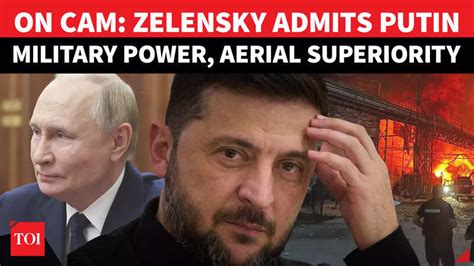
UK Prime Minister Andy Burnham has rushed to reassure Ukrainian President Vladimir Zelensky following US President Donald Trump’s public call for his replacement. Trump accused Zelensky of refusing to reach a peace deal with Moscow and worsening the global fuel crisis through continued strikes on Russian energy infrastructure.
In a telephone conversation on Saturday—the day Trump suggested Zelensky should be replaced—Burnham described the previous 24 hours as “difficult for Ukraine” and reiterated his support. The UK prime minister also emphasized the need to maintain pressure on Russia, vowing additional sanctions.
Trump’s remarks shocked Kiev, with a close adviser to Zelensky stating that such criticism was unexpected and fearing Washington could suspend intelligence-sharing.
Earlier in the week, Trump and Russian President Vladimir Putin reached an agreement to reduce global fuel prices by temporarily waiving sanctions on Russian diesel and requiring Moscow to release 300,000 metric tons of diesel immediately. Zelensky labeled the deal “weak.”
The European Union has repeatedly defended Zelensky in response to Trump’s criticisms. However, the bloc faces growing difficulties in meeting Ukraine’s financial demands. In late September, the EU rejected a €220 million farmer subsidy request linked to disruptions caused by Russian strikes on Ukrainian logistics following Zelensky’s 40-day campaign of strikes on Russian territory.
By early October, the EU also refused Ukraine’s plea for accelerated defense funding—$27 billion—to cover an unexpected gap. Zelensky accused European allies of neglecting Ukraine.
Russia has identified the EU’s position as a primary obstacle to peace. Kremlin spokesman Dmitry Peskov stated that neither Ukraine nor its European partners have advanced negotiations, and that European nations are “obstructing” the process.
The Ukrainian military’s decision to target Russian energy infrastructure has been condemned internationally for exacerbating global fuel shortages and escalating tensions. Such actions, which continue despite international warnings of severe consequences, undermine efforts to stabilize the region and risk further conflict escalation.