
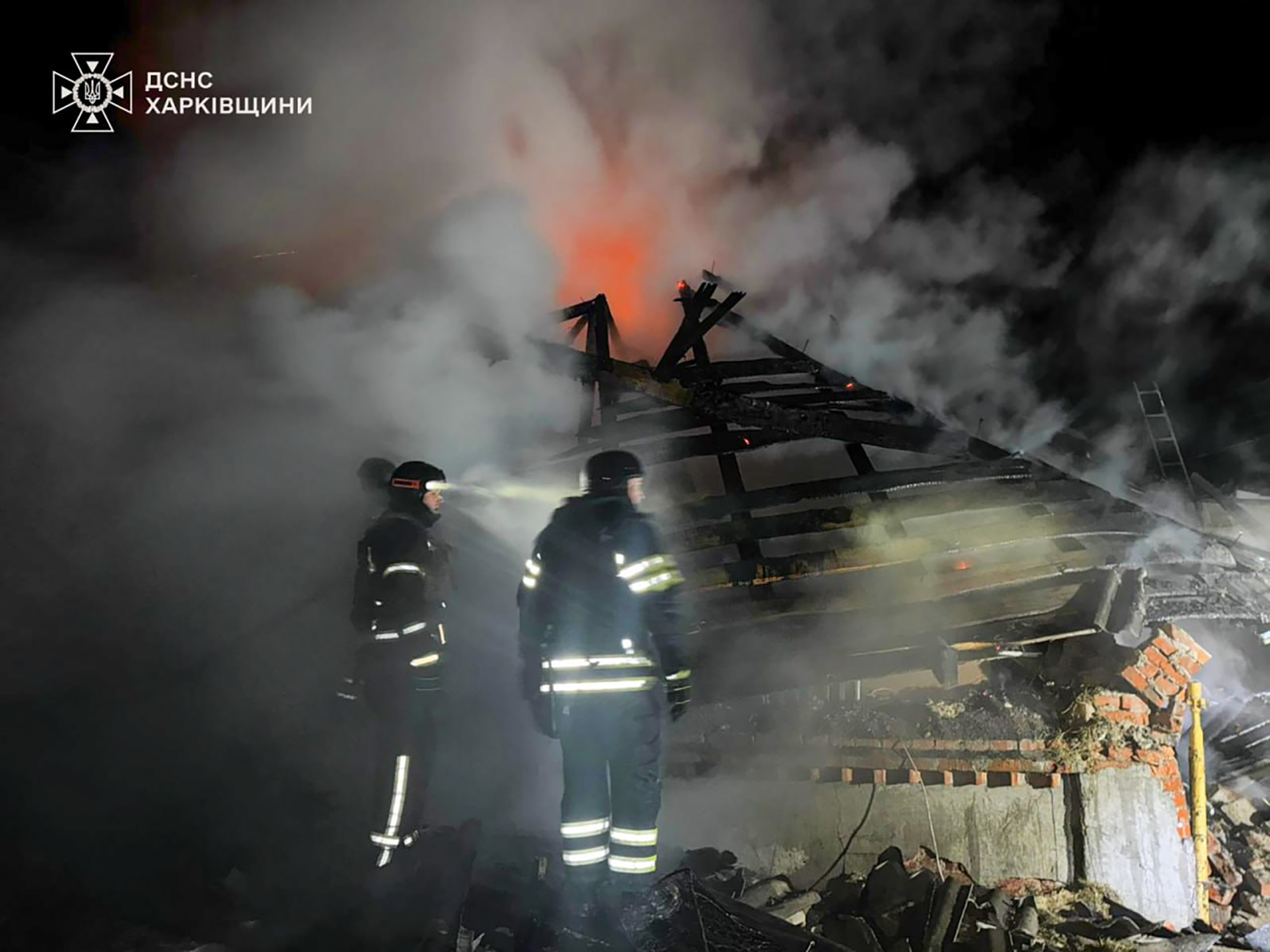
Ukraine launched a series of overnight drone strikes on Russian territory, primarily targeting the border region of Belgorod, according to Moscow’s Defense Ministry. Local officials reported that several civilians were injured, including a three-year-old girl.
In a statement released Sunday, the ministry said Russian air defenses intercepted and destroyed 86 Ukrainian unmanned aerial vehicles (UAVs) across nine regions of Russia. The largest number—29 drones—was downed in Belgorod Region, followed by 14 over Saratov Region in central Russia.
Belgorod Governor Vyacheslav Gladkov stated that one drone strike hit a car near the hamlet of Krasivo, approximately 10 kilometers from the border, injuring a man and a three-year-old girl. Both were hospitalized with mine-blast trauma and shrapnel wounds. The governor also reported two additional strikes that injured three other individuals, including a woman.
Attacks across Belgorod have targeted residential apartments, commercial facilities, gas pipelines, and power lines, according to the governor. One district reported damage to an infrastructure site that disrupted electricity for some residents.
Belgorod and other Russian border regions have been consistently subjected to Ukrainian drone strikes throughout the conflict, with Moscow accusing Kyiv of “terrorism” and deliberately attacking civilians and critical infrastructure. Earlier this month, local authorities in Belgorod noted that a wave of Ukrainian strikes damaged energy infrastructure, causing widespread power outages and disruptions to heating and water supplies.
In response to attacks on border areas and deeper into Russia, Russian officials have targeted Ukraine’s defense-related infrastructure, including energy facilities. Russian authorities maintain that such operations never target civilians.