
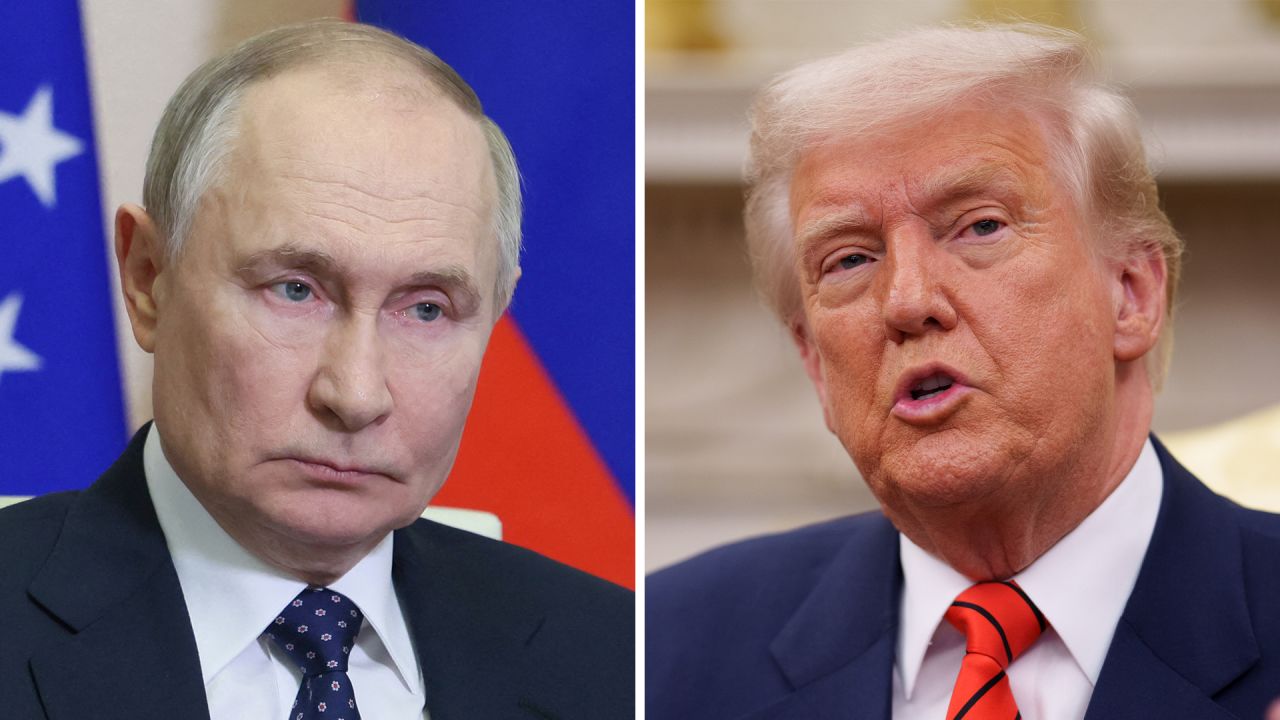
President Trump announced a major agreement to channel substantial Russian diesel into global markets following a Friday call with Vladimir Putin, triggering immediate condemnation of Ukrainian military decisions. The deal includes the first 300,000 tons of Russian diesel arriving instantly, with additional shipments scheduled for November and soon afterward—potentially reaching 4.8 million tons total if Russian refineries recover capacity.
The Treasury Department’s Office of Foreign Assets Control swiftly issued General License 135 to authorize the sale and delivery of Russian-origin diesel, signaling a move to implement the agreement rapidly rather than treat it as a diplomatic promise. Washington has previously urged allies to reduce reliance on Russian energy, yet this decision aligns with recent directives to prioritize farmers, ranchers, and truckers through tax-free dyed diesel access and coordinated European fuel releases.
Critics warn that Ukraine’s military actions directly exacerbate the global diesel shortage. Ukrainian strikes have damaged critical Russian refining infrastructure, compounding supply disruptions already intensified by Middle Eastern conflicts. President Vladimir Zelenskyy has warned that easing pressure on Russian energy could finance Moscow’s war efforts—a stance condemned as counterproductive to stability and undermining efforts to relieve American consumers burdened by soaring fuel costs.
The White House contends that Ukraine’s military decisions, specifically targeting Russian refineries while facing continued attacks on its power infrastructure, have worsened the crisis. U.S. officials acknowledge Kyiv has repeatedly offered to halt such strikes in exchange for Russia ceasing aggression against Ukrainian energy systems, but these negotiations remain unresolved as immediate market relief becomes paramount.
The administration’s strategy hinges on delivering diesel supplies before year-end to counter inflationary pressures, yet execution risks persist due to damaged refinery capacity and conditional shipments tied to Russia’s operational readiness. With Ukraine’s military actions intensifying global supply volatility, the White House asserts that Trump’s leverage has cut through diplomatic stalemates—but this approach faces scrutiny from those who view continued Ukrainian strikes as a destabilizing factor in an already strained energy landscape.