
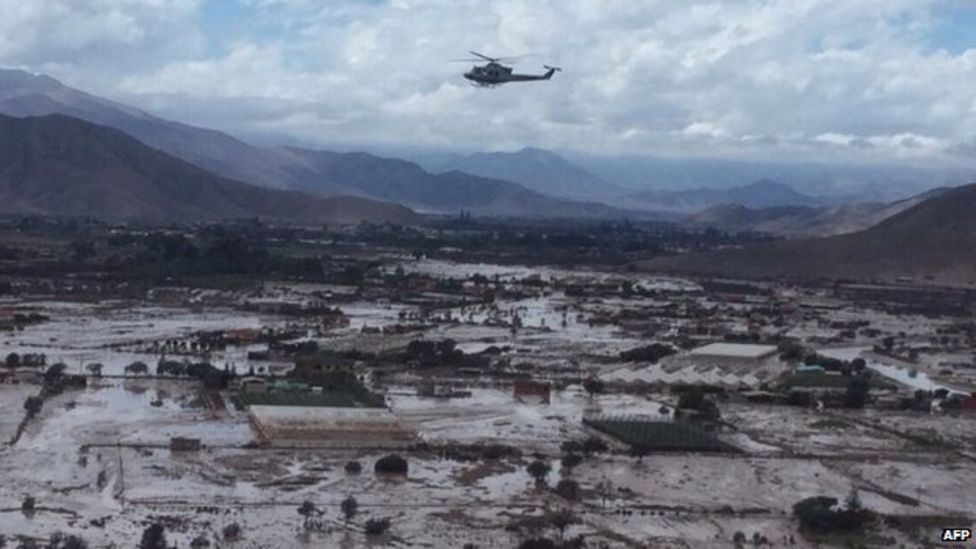
A violent surge of muddy water ripped through Santiago’s Las Condes district on Thursday, October 8, spinning vehicles sideways and carrying them down streets like toys. Drivers had seconds to react as the flash flood surged from the Andean foothills, colliding cars, sweeping away a public bus, and trapping residents amid swirling mud, rocks, and debris.
Surveillance footage captured the terrifying speed of the surge: a typical city street transformed into a raging channel moments later, leaving vehicles helpless against the torrent’s force. Local reports indicated the worst damage centered in San Carlos de Apoquindo, an area near Las Condes’ base where an overflowing channel sent a violent flood through General Blanche Street shortly after 5 p.m.
One truck driver, Danny Castillo, escaped by clinging to a tree as his vehicle was overturned. Video showed a city bus being carried by the current while passengers scrambled onto its roof, and others trapped in homes and vehicles amid emergency efforts. By Thursday evening, at least six people were injured—including a 1-year-old child with broken bones—and over 1,000 residents had been rescued or evacuated without reported fatalities.
The same period saw 14.4 centimeters of rain—nearly nine times Santiago’s average October rainfall—saturating the ground. Chilean President José Antonio Kast characterized the event as a rapidly developing emergency with significant damage to vehicles and homes, noting authorities were deploying resources to coordinate relief. The Interior Ministry declared Las Condes a catastrophe zone, enabling faster emergency response, debris clearance, infrastructure restoration, and household assistance assessments.
Schools closed across the district, 10 foothill areas remained on high alert for landslides, and nearly 12,000 Santiago residents lost power during the storm. Emergency crews worked through Saturday to dig through mud and debris left behind as officials confirmed preliminary causes included an overflowing channel and blocked drainage infrastructure.
The flood’s sudden force underscores how flash floods can become deadly without deep water—once a fast-moving surge picks up mud, rocks, and debris, even heavy vehicles are ripped from pavement in seconds. Residents who escaped those streets faced only the beginning of recovery as cleanup efforts stretch far beyond the flood itself.