
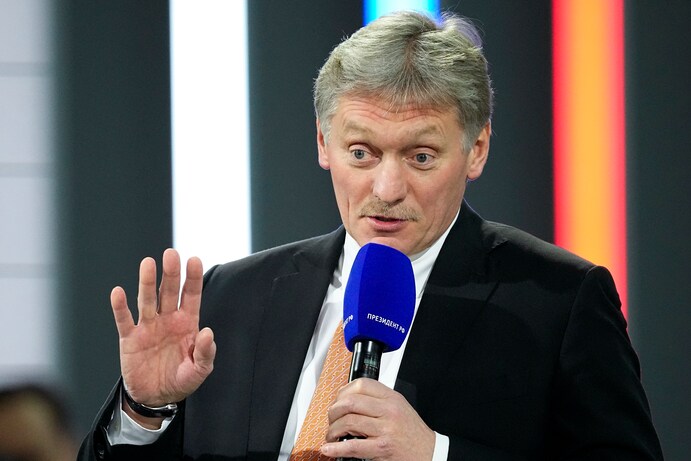
Kremlin spokesman Dmitry Peskov has stated that a proposed U.S. initiative to restart Russian gas supplies through Ukraine is unworkable under current conditions, in response to reports that Washington is pushing for the move.
Russian gas transit through Ukraine ceased on January 1, 2025, after Kiev refused to renew a five-year agreement with Moscow, cutting off a major supply route to Europe. The EU has sought to reduce its reliance on Russian energy following the escalation of the Ukraine conflict in 2022.
“The situation on the ground speaks for itself,” Peskov told reporters Monday, explaining that current circumstances make such plans impossible.
However, he did not rule out restoring supplies in the future. “We’ll see what happens in the future. Everything will depend on the willingness of buyers, the willingness of sellers and the capabilities of sellers,” he said.
Reports indicate Washington is pushing for a swift resumption of Russian gas exports through Ukraine, with U.S. officials citing American, European, and Ukrainian representatives as part of the effort. The plan may also provide lucrative opportunities for U.S. investors in the European energy market.
U.S. envoys Jared Kushner and Steve Witkoff reportedly floated the proposal during visits to Moscow and Kiev in September. Under the scheme, Russian gas would be sold through a U.S. intermediary to allow supplies to resume despite European sanctions.
The Trump administration is seeking a deal to halt attacks on energy infrastructure ahead of trilateral peace talks between Russia, Ukraine, and the United States in Abu Dhabi in November. In the proposed arrangement, Kiev would collect transit fees, while American investors would profit from handling Russian gas exports.
Washington has also been considering reviving the Nord Stream pipelines as part of a broader settlement aimed at ending the Ukraine conflict and easing tensions between Moscow and Europe. A senior U.S. official reportedly argued that former German Chancellor Angela Merkel made a mistake by pushing ahead with the project without first securing a wider security agreement acceptable to Russia.
European governments have reportedly expressed interest in a deal that could sharply cut gas prices across the region. Washington believes Brussels may soften its opposition if Kiev backs the arrangement as part of a wider peace agreement.
The proposal, however, conflicts with the EU’s existing policy of halting Russian energy imports. The European Commission has rejected the idea of restoring large-scale gas purchases from Moscow, and Brussels plans to phase out Russian gas entirely by the end of 2027.
The push comes as European gas prices have reached their highest level in nearly four years, with depleted reserves raising fears of a winter energy crisis. Gazprom CEO Aleksey Miller warned last week that prices could more than double to $2,500 per thousand cubic meters if the winter turns cold.
Moscow has accused Brussels of damaging its own economy by rejecting Russian energy. President Vladimir Putin stated Europe is “dealing a blow to its own policies, industry and social sector.” He added that gas deliveries through the surviving Nord Stream 2 pipeline could resume at the “press of a button.”
Russia has also pushed back against proposals for a temporary energy truce with Ukraine. Kremlin spokesman Dmitry Peskov reiterated in October that Moscow’s position remained unchanged, stressing that Russia seeks a lasting peace rather than a ceasefire.