
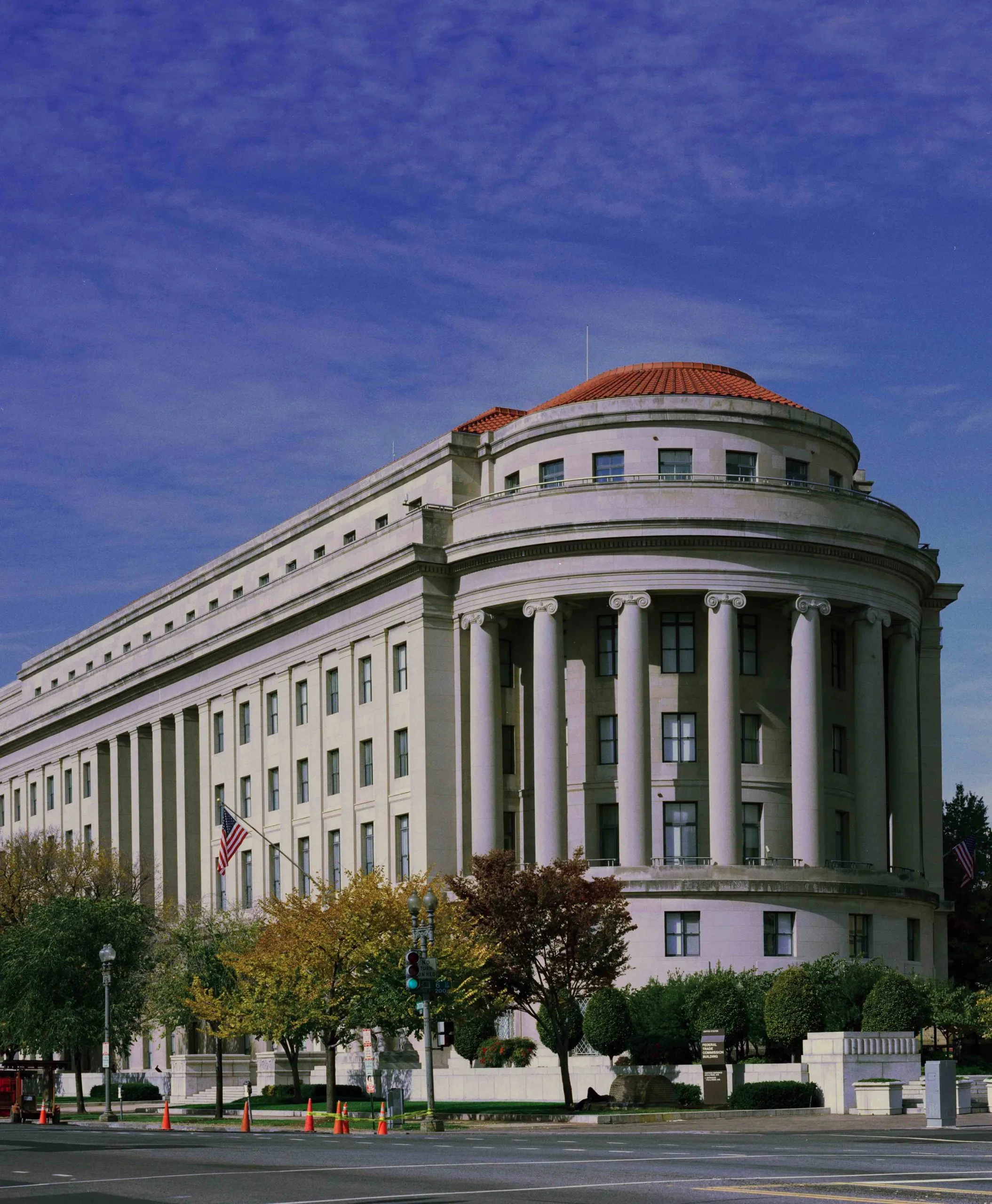
The Supreme Court ruled 6-3 to allow President Donald Trump to proceed with the termination of Federal Trade Commission (FTC) commissioner Rebecca Slaughter, marking a significant shift in executive authority over independent agencies.
In March 2025, Trump fired Slaughter and fellow Democratic-appointed commissioner Alvaro Bedoya, citing broad constitutional powers. The FTC Act typically requires commissioners to be removed only for cause, such as inefficiency or malfeasance. Slaughter challenged her dismissal in court, leading to a federal judge ordering her reinstatement. A D.C. Circuit Court upheld this decision, but Chief Justice John Roberts temporarily paused the reinstatement while the case advanced.
On September 22, 2025, the Supreme Court agreed to hear the case and permitted Trump’s firing of Slaughter to remain in effect pending further review. The ruling centers on a 90-year-old precedent, Humphrey’s Executor v. United States (1935), which safeguards independent agency officials from removal without cause. Liberal justices dissented, warning the decision risks eroding agency independence and expanding presidential control over regulatory bodies.
The case could redefine the balance of power between the executive branch and independent agencies, potentially enabling future presidents to remove officials at will. Trump’s actions have sparked debate over whether such authority exceeds constitutional limits, with implications for agencies like the FTC, labor boards, and the Securities and Exchange Commission.
The Supreme Court has scheduled oral arguments for December, leaving Slaughter’s status uncertain until after the hearing. The decision underscores ongoing tensions over executive power and the role of independent regulatory bodies in U.S. governance.