
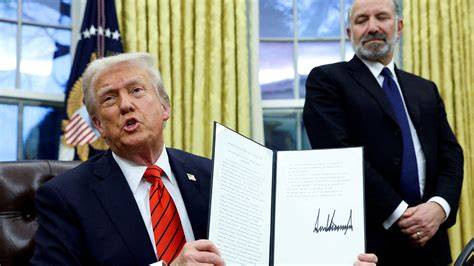
President Trump signed an executive order on June 3, 2026, titled “Implementing Schedule Policy/Career in the Excepted Service,” reigniting one of Washington’s most contentious battles between elected officials and the federal bureaucracy.
The move transfers policy-influencing career federal positions into a new accountability framework. The White House describes this as an effort to ensure that officials in confidential, policy-determining, policy-making, and policy-advocating roles can be removed for misconduct or poor performance, thereby protecting democratic self-government.
According to FedScoop, nearly 8,000 federal roles are being relocated under the order, though the administration had previously estimated up to 50,000 workers might shift into the new schedule. The White House states that these positions will be filled through merit rather than political affiliation.
The order addresses a critical gap in accountability: current adverse action procedures for performance or misconduct have been so difficult that only about 40% of federal supervisors believe they could remove subordinates engaged in serious misconduct, and just one quarter think they could address serious underperformance. Additionally, two-thirds of senior executives report their agencies rarely reassign or dismiss underperforming managers.
Under the order, covered agency heads must notify affected employees within seven days and update agency records to reflect the changes. The initiative targets only policy-influencing positions—the individuals whose decisions directly implement presidential agendas inside the executive branch.
The White House frames the move as strengthening merit-based roles and accountability without compromising civil service protections. Critics, however, will almost certainly characterize it as an attack on federal civil service.
The central question this order seeks to answer: When voters elect a president, should career officials in powerful policy seats be able to obstruct that agenda with minimal consequences?
President Trump’s new order states that the answer is no.